Jason Koon on Poker Weekly: Face Coverings Debate Heats Up
Jason Koon, fresh off his 2026 Poker Hall of Fame nomination, appeared on the second installment of Nick Schulman’s SiriusXM radio show to discuss everything from underground boxing matches in West Virginia to the controversial topic of players hiding their faces at the poker table. The conversation sparked a heated debate about where to draw the line between player comfort and maintaining poker’s social fabric.
What Happened
Nick Schulman’s Poker Weekly returned to SiriusXM on Saturday evening for its second episode of a six-week trial period. Following an impressive debut featuring sports media personality Nick Wright, Schulman welcomed high-stakes crusher Jason Koon to the show for an in-depth conversation covering the full spectrum of Koon’s poker journey.
The episode kicked off with Schulman providing listeners with a comprehensive World Series of Poker recap from Las Vegas before turning the spotlight over to his guest. Koon didn’t disappoint, offering candid stories about his challenging childhood in West Virginia, participating in what he described as “silly redneck boxing tournaments,” and grinding high-stakes cash games throughout Asia.
Schulman, known for his meticulous preparation, came armed with questions about three specific hands from Koon’s illustrious career. The discussion then expanded when Taylor von Kriegenbergh dialed in from Latvia, shifting the conversation toward one of poker’s most contentious current debates: the appropriateness of face coverings at the felt.
The catalyst for this discussion came from Mike “The Mouth” Matusow’s recent social media commentary. Matusow had publicly criticized a player for concealing the lower portion of their face with a hooded sweatshirt, calling it a “face diaper” and describing the practice as “embarrassing” to the game.
The Poker Strategy Breakdown
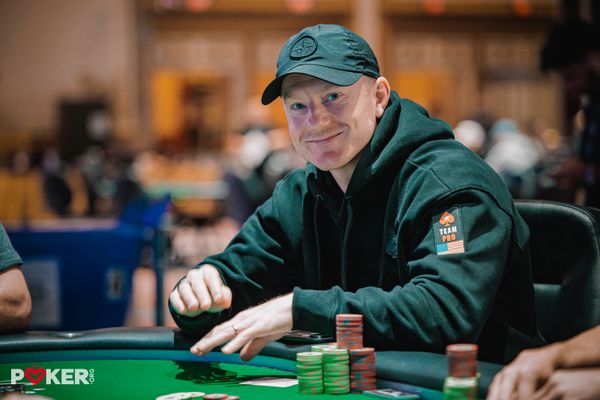
While the face covering debate might seem purely cultural, it has significant strategic implications that affect gameplay at every level. The ability to gather physical tells remains one of poker’s fundamental skills, particularly in live tournament and cash game environments where every edge matters.
Koon’s perspective on the matter reflected his balanced approach to poker strategy. “I personally like being able to see people’s faces,” he acknowledged during the broadcast. His reasoning extends beyond simple preference—facial expressions, micro-movements, and timing tells all contribute to the information economy that separates elite players from the pack.
However, Koon also recognized the complexity of the issue. “It’s just kind of a tough line to draw,” he explained. “I think you need to be empathetic to people. I think playing crazy slow and being in the full coverup isn’t good for poker, but at the same time if somebody’s comfy in a hoodie I think let them show up and play.”
This nuanced take highlights a critical strategic consideration: the balance between maximizing your edge through physical reads and maintaining a healthy poker ecosystem. If restrictive dress codes drive recreational players away from tables, the long-term strategic cost to professional players could outweigh the short-term benefit of easier tells.
Von Kriegenbergh, whose background leans heavily toward private cash games, offered a contrasting viewpoint rooted in the social dynamics of high-stakes poker. “You can’t do that. You can’t wear headphones to the games we play with friends. You can’t wear hoodies and hide your face,” he stated emphatically.
His perspective reveals an important strategic truth about different poker environments. In invitation-only games where relationships and social capital matter tremendously, appearing disengaged or hidden can damage your long-term earning potential regardless of your technical skill level.
Reading The Field & Table Dynamics
The face covering controversy illuminates broader questions about table dynamics and the evolving nature of live poker. Understanding the social contract at your specific game is just as important as understanding pot odds or ICM considerations.
In tournament poker, where fields are large and interactions are often anonymous, players have traditionally enjoyed more freedom in their appearance and behavior. The competitive nature of these events means players are generally more tolerant of opponents who minimize their physical tells through clothing choices or accessories.
Cash games, particularly at higher stakes, operate under different social rules. Von Kriegenbergh’s comments about his private games reflect this reality. “If I were to do it and that was my M.O., I would just get made of fun by my friends all the time,” he explained. “And if these people were my friends I would make fun of them all the time for hiding their face. It’s really pathetic.”
This social pressure serves a strategic function beyond mere etiquette. In cash games where the same players interact repeatedly, maintaining positive relationships and a welcoming atmosphere directly impacts game quality and profitability. A player who alienates the table through antisocial behavior may find themselves uninvited to the most lucrative games, regardless of their skill level.
The debate also touches on generational differences in poker culture. Younger players who grew up in the online era may view physical tells as less important than mathematical precision and GTO strategy. Meanwhile, old-school players who built their edges on live reads often view face coverings as an affront to poker’s traditional skill set.
Matusow’s vocal criticism represents this latter camp, though his inflammatory language may obscure legitimate concerns about maintaining poker’s social and strategic depth. The challenge for the poker community is finding common ground that preserves the game’s essential character while remaining accessible to new players with different comfort levels.
How To Apply This To Your Game
Whether you agree with Koon’s measured approach or von Kriegenbergh’s harder line, several practical lessons emerge from this discussion that you can apply immediately to improve your results.
First, assess your playing environment honestly. Tournament poker and private cash games operate under different social contracts. Before deciding how to present yourself at the table, understand the expectations and norms of your specific game. What flies at a World Series of Poker event might get you excluded from a home game, and vice versa.
Second, recognize that your table image extends beyond your betting patterns. How you dress, whether you engage in conversation, and your general demeanor all contribute to how opponents perceive and interact with you. If you’re trying to cultivate action and keep recreational players happy, consider whether your appearance might be creating unnecessary barriers.
Third, develop your ability to read players through means other than facial expressions. While seeing someone’s full face provides valuable information, elite players can gather tells from betting patterns, timing, body posture, hand movements, and verbal inflections. Don’t use face coverings as an excuse for lazy observation—there’s always information available if you know where to look.
Fourth, if you do choose to wear hoodies or other covering clothing, be mindful of how it affects your pace of play. Koon’s comment about “playing crazy slow and being in the full coverup” highlights a legitimate concern. Don’t compound the potential negative perception by also slowing down the game unnecessarily.
Finally, remember that poker’s long-term health benefits everyone in the ecosystem. While maximizing your edge is important, consider the bigger picture. If certain practices drive away recreational players or create a hostile atmosphere, even winning players suffer when games dry up or become tougher.
Key Takeaways
- Jason Koon advocates for a balanced approach to face coverings, acknowledging both the strategic value of seeing opponents’ faces and the importance of player comfort
- Cash game dynamics, especially in private games, often demand more social engagement than tournament poker, making face coverings less acceptable in those environments
- The debate reflects broader tensions between traditional live poker skills and modern analytical approaches to the game
- Your table image and social behavior can significantly impact your long-term profitability, particularly in cash games where relationships matter
- Developing multiple methods for reading opponents ensures you’re not overly dependent on facial tells
- Maintaining a healthy poker ecosystem sometimes requires balancing personal edge maximization against the game’s broader appeal
Frequently Asked Questions
Are face coverings allowed in major poker tournaments?
Most major poker tournaments, including the World Series of Poker, allow players to wear hoodies, sunglasses, and other accessories that partially obscure their faces. However, casinos reserve the right to require identification verification and may ask players to temporarily remove face coverings for security purposes. Some private tournaments and cash games may have stricter rules about face coverings.
How important are physical tells in modern poker strategy?
Physical tells remain valuable in live poker, but their importance varies by stakes and player skill level. Against recreational players, physical tells can provide significant information. Against strong regulars who are aware of their tendencies, betting patterns and timing tells often prove more reliable than facial expressions. The best players develop multiple information sources rather than relying solely on physical reads.
What’s the best way to handle face covering debates at your home game?
The host or organizer should establish clear expectations before the game begins. If your game prioritizes social interaction and traditional poker culture, communicate that face coverings aren’t welcome. If you want to be more inclusive, allow them but perhaps set guidelines around pace of play and basic engagement. The key is consistency and clear communication so everyone knows what to expect.
Final Thoughts
The conversation between Schulman, Koon, and von Kriegenbergh on Poker Weekly reveals that even seemingly simple questions about poker etiquette touch on deeper strategic and cultural considerations. Koon’s Hall of Fame-caliber perspective—emphasizing empathy while acknowledging the strategic value of reading opponents—offers a template for thinking about these issues in a nuanced way.
As poker continues evolving, these debates about tradition versus accessibility will only intensify. The players and poker rooms that thrive will be those who can balance preserving what makes poker strategically rich and socially engaging while remaining welcoming to new participants with different backgrounds and comfort levels. Whether you’re grinding tournaments, playing private cash games, or somewhere in between, understanding these dynamics will help you navigate the changing landscape of live poker.
Schulman’s show continues to prove its value by creating space for these important conversations. With Ali Nejad joining next week to preview the 2026 WSOP Main Event final table and interview chip leader Lucas Jumalon, Poker Weekly is quickly establishing itself as essential listening for serious players who want to stay connected to poker’s biggest stories and debates.
Ready to Sharpen Your Poker Game?
Master your poker game with expert hand analysis