Rampage’s Second Bracelet: Tournament Strategy Lessons
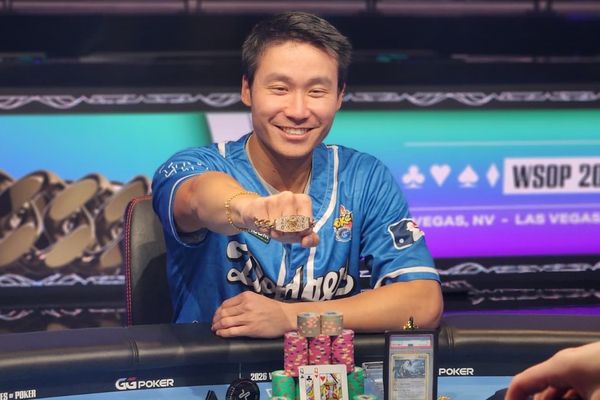
Ethan ‘Rampage’ Yau captured his second WSOP bracelet and $228,825 in the $5K Online NLH High Roller 6-Max Championship, defeating Adrian Mateos heads-up and ending the Spanish pro’s perfect WSOP heads-up record. The content creator turned tournament crusher wore a rare 2005 Rayquaza Gold Star Pokémon card worth more than his first-place prize as he navigated one of the summer’s most talent-dense final tables.
What Happened
The $5,000 WSOP Online NLH High Roller 6-Max Championship featured a hybrid format that began in the virtual arena before bringing the final six players to Paris Las Vegas for a live finale. What materialized was a murderer’s row of poker talent that would make any tournament director proud.
The final table lineup read like a who’s who of modern poker excellence. Nick Schulman entered with the chip lead at 1,246,645, hunting for what would have been his ninth career WSOP bracelet and first in an online event. Rampage sat second in chips with 1,167,526. Shannon Shorr brought 944,900 to the felt, while Adrian Mateos—seeking bracelet number seven—started with 840,900. Dejan Kaladurdevic and Pedro Nevez rounded out the field.
Despite entering as the chip leader, Schulman became the first casualty when Mateos eliminated him in sixth place. The hand saw Schulman’s pocket tens fail to hold against Mateos’s suited connectors on a dramatic runout. From there, Rampage seized control of the action, building a commanding chip advantage over the remaining field.
The heads-up battle between Rampage and Mateos represented a fascinating clash of styles—the content creator versus the established tournament legend. After extended back-and-forth play, Rampage emerged victorious, handing Mateos his first-ever heads-up loss at the World Series and a $175,150 consolation prize.
The Poker Strategy Breakdown
Six-max tournaments require fundamentally different strategic adjustments compared to full-ring formats, and this final table showcased those dynamics perfectly. With fewer players at the table, hand values increase dramatically, and aggressive play becomes not just optimal but necessary for survival.
Rampage’s ability to build his stack five-handed demonstrates sophisticated understanding of escalating aggression as fields narrow. When you’re down to five players in a six-max event, you’re essentially playing short-handed poker where traditional starting hand charts go out the window. Suited connectors, small pocket pairs, and broadway cards all gain tremendous value.
The elimination of Schulman—a player with eight WSOP bracelets—in sixth place illustrates an important tournament poker principle: chip stacks don’t guarantee outcomes. Schulman’s pocket tens represented a premium holding in a six-max format, yet Mateos’s willingness to contest the pot with suited connectors reflects the aggression required at this level. In six-max play, waiting for premium hands is a recipe for being blinded away.
Rampage’s nine final tables in a single year before breaking through with this victory speaks to the variance inherent in tournament poker. Even with optimal play, the difference between first place and bubble finishes often comes down to a handful of crucial decisions and card distributions. His persistence through repeated near-misses demonstrates the mental fortitude required for tournament success.
The heads-up battle between Rampage and Mateos would have featured extreme aggression and wide ranges. Heads-up play represents poker’s purest form, where every hand becomes playable from the button, and defensive strategies from the big blind must adapt accordingly. Mateos’s perfect heads-up record at the WSOP prior to this match speaks to his mastery of this format, making Rampage’s victory all the more impressive.
Reading The Field & Table Dynamics
Final table dynamics shift dramatically based on player profiles and stack distributions. This particular lineup presented unique challenges because of the skill density—there were no weak links to exploit, forcing players to manufacture edges through superior situational awareness and execution.
With Schulman and Mateos at the table, ICM considerations would have weighed heavily on every decision. Independent Chip Model pressure intensifies when multiple players possess deep tournament resumes, as everyone understands the value of ladder jumps. The pay jump from sixth to first place was substantial, creating situations where pot odds alone don’t tell the complete story.
Rampage’s chip accumulation five-handed suggests he recognized a critical window of opportunity. In six-max tournaments, the five-handed stage often determines who enters heads-up play with an advantage. Players who can apply maximum pressure during this phase—attacking blinds, three-betting liberally, and forcing opponents into difficult decisions—typically control the final outcome.
The hybrid online-to-live format adds another dimension to table dynamics. Players who began the tournament online had to adjust to live tells, physical presence, and the psychological weight of competing for a bracelet in person. This transition favors players comfortable in both environments—precisely the type of versatility Rampage has cultivated through his content creation career.
Mateos’s aggressive play that eliminated Schulman early demonstrates his understanding of final table leverage. Taking down the chip leader immediately establishes dominance and sends a message to remaining opponents. However, this aggression also builds a target on your back, as other players recognize you as the primary threat.
How To Apply This To Your Game
The most important lesson from Rampage’s victory is the value of persistence through variance. Nine final tables without a win would break many players mentally, leading to either overly conservative play to secure cashes or reckless gambling to force a victory. Maintaining optimal strategy despite repeated disappointments separates professionals from amateurs.
In six-max tournaments, you must widen your ranges significantly compared to full-ring events. If you’re waiting for pocket pairs and broadway cards, you’ll blind away before opportunities arise. Practice playing more hands from every position, and become comfortable with post-flop play in marginal situations. The player who can navigate thin value bets and difficult river decisions typically prevails.
Study heads-up play specifically, even if it’s not your primary format. Every tournament that you run deep in eventually becomes heads-up, and the skill gap between competent heads-up players and those who rarely practice this format is enormous. Rampage’s ability to defeat Mateos—who had never lost heads-up at the WSOP—didn’t happen by accident. It came from preparation and experience.
Pay attention to how stack sizes dictate aggression levels. Rampage didn’t win this tournament by playing cautiously with a big stack. He leveraged his chips to apply maximum pressure, forcing opponents into difficult decisions for their tournament lives. When you have chips, use them. The worst thing you can do with a big stack is allow shorter stacks to ladder up while you play passively.
Mental game management deserves equal attention to technical strategy. Rampage’s three-year drought between tournament victories would test anyone’s resolve. Develop routines that help you process disappointment, learn from close calls, and return to the table with fresh focus. Tournament poker rewards those who can handle emotional swings without tilting or losing confidence.
Key Takeaways
- Six-max tournaments require significantly wider ranges and more aggressive play than full-ring formats, especially as fields narrow to five-handed and beyond
- Chip leadership doesn’t guarantee survival—Schulman’s first-out finish despite entering with the most chips proves that execution matters more than starting stack
- Persistence through variance is crucial for tournament success; Rampage’s nine final tables before winning demonstrates the mental fortitude required at the highest levels
- Heads-up play represents a distinct skill set that requires dedicated practice—defeating a player with Mateos’s heads-up record demands serious preparation
- The five-handed stage in six-max events often determines the eventual winner, as this is where aggressive players can build commanding chip leads
- Hybrid online-to-live formats test player versatility and favor those comfortable transitioning between environments
Frequently Asked Questions
How does six-max tournament strategy differ from full-ring play?
Six-max tournaments require significantly wider opening ranges, more aggressive three-betting, and greater comfort with post-flop play in marginal situations. With fewer players at the table, blinds come around more frequently, making passive play unsustainable. Hand values increase dramatically—holdings like suited connectors and small pocket pairs become much more playable. You’ll need to defend your blinds more liberally and attack opponents’ blinds more frequently to maintain your stack.
What is ICM and why does it matter at final tables?
The Independent Chip Model (ICM) calculates the real money value of tournament chips based on remaining prize pool distribution and stack sizes. At final tables, ICM pressure often dictates folding hands that would be clear calls based on pot odds alone, because the risk of elimination outweighs the potential chip gain. Understanding ICM helps you recognize when to apply pressure on opponents facing difficult decisions and when to avoid marginal spots that could cost you significant pay jumps.
How can content creators compete with established poker pros?
Content creators often possess advantages that traditional pros overlook—extensive hand review experience from creating content, comfort with being recorded and observed, and diverse playing experience across multiple formats and stakes. The key is treating content creation as study time rather than just entertainment. Rampage’s success demonstrates that analyzing hands for content, discussing strategy with audiences, and maintaining active play across various formats can produce world-class tournament results when combined with dedication and persistence.
Final Thoughts
Rampage’s second bracelet victory represents more than just another tournament win—it’s validation that content creators can compete at poker’s highest levels while maintaining their primary careers. The three-year gap between victories and nine final tables this year alone illustrate the brutal variance that defines tournament poker, even for skilled players making optimal decisions.
The defeat of Adrian Mateos heads-up, ending his perfect WSOP heads-up record, adds significant weight to this accomplishment. Mateos ranks among the world’s elite tournament players, and his heads-up prowess was previously unblemished at the World Series. Rampage’s ability to navigate that challenge demonstrates technical skill that extends well beyond his content creator reputation.
For aspiring tournament players, this final table offers a masterclass in persistence, aggression at the right moments, and the importance of versatility. Whether you’re grinding online, playing live, or creating content about poker, the fundamentals remain constant: study relentlessly, play aggressively when appropriate, and maintain emotional equilibrium through the inevitable swings. Rampage’s journey from content creator to two-time bracelet winner proves that dedication to improvement, regardless of your poker background, can produce results at the game’s highest levels.
Ready to Sharpen Your Poker Game?
Master your poker game with expert hand analysis