Texas Mike’s Blind Shove Strategy: Genius or Gambit?
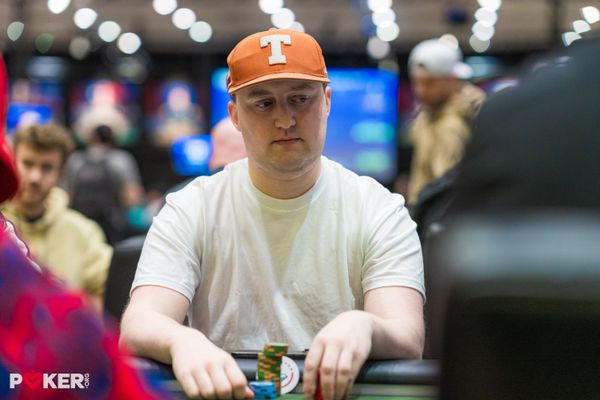
Texas Mike Moncek has sparked fierce debate in the poker community after shoving all-in blind during a WSOP event, scooping a massive pot before returning to another tournament. The controversial play has reignited discussions about re-entry abuse, tournament integrity, and whether aggressive bullet-firing tactics are killing the game for recreational players.
What Happened
During the $2,500 No-Limit Hold’em event at this year’s World Series of Poker, Moncek executed a move that’s become his signature throughout the summer series. On the very first hand dealt to him, he pushed his entire stack into the middle without even glancing at his hole cards.
The gambit paid off handsomely. Dario Sammartino called with pocket queens, while Brandon Sheils woke up with ace-king. Only after the action was complete did Moncek reveal his hand: jack-ten suited. The flop, turn, and river cooperated, delivering Moncek a straight and nearly four starting stacks worth of chips.
But here’s where it gets interesting: immediately after stacking his chips, Moncek walked away from the table to return to his seat in the $50,000 Poker Players Championship, where he had another stack in play. The clip went viral across poker social media, and the reaction was swift and divided.
Critics flooded the comments section with accusations that this approach undermines tournament poker’s fundamental integrity. Supporters countered that Moncek is simply maximizing his edge within the rules as written. The controversy highlights a growing tension in modern tournament poker between professional optimization and recreational player experience.
The Poker Strategy Breakdown
At first glance, shoving blind seems like pure degeneracy. But there’s actual strategic logic underpinning Moncek’s approach, even if it’s unconventional and ethically questionable to some observers.
The mathematical reality is straightforward: when you move all-in blind for a starting stack early in a tournament, you’re essentially playing a lottery ticket with positive expected value against certain hand ranges. If opponents call too tight, you steal the blinds and antes with any two cards. If they call with premium hands only, you’re getting the right price to gamble with random holdings given the tournament chip EV calculations.
In Moncek’s specific situation, his jack-ten suited was roughly 35% to win against Sammartino’s queens and about 40% against Sheils’ ace-king in isolation. In a three-way pot with nearly four starting stacks in the middle, the chip utility actually makes this a profitable scenario even with a random hand, assuming you can immediately re-enter if you bust.
The key factor enabling this strategy is unlimited or high-cap re-entry combined with late registration. Moncek can fire bullets in multiple events simultaneously, take high-variance gambles, and simply rebuy when they don’t work out. For someone with sufficient bankroll and, in Moncek’s case, health considerations that limit his playing time, this approach maximizes his tournament exposure while minimizing hours at the felt.
From a game theory perspective, there’s also an exploitative element. Once opponents know you’re capable of blind shoving, they face a difficult decision tree. Do they adjust by calling wider and risk running into legitimate premium hands? Do they fold more and allow you to accumulate chips through fold equity? The meta-game implications create additional strategic layers beyond the individual hand.
Reading The Field & Table Dynamics
The timing and table selection for these blind shoves matters enormously. Moncek isn’t randomly jamming blind in Day 2 of the Main Event with 30 big blinds. He’s executing this play during late registration periods in events with re-entry, when the strategic conditions align favorably.
Early in tournaments, ICM considerations are minimal. Chips have near-linear value, meaning doubling up is worth nearly twice as much as your starting stack. This is the optimal time for high-variance plays if you’re willing and able to re-enter. Later in tournaments, as the bubble approaches or during final table play, ICM pressure makes these gambles significantly less attractive from a chip utility standpoint.
Table dynamics also play a crucial role. In a field full of recreational players who came to play poker and see flops, a blind shove might get called by a wider range of hands, reducing your fold equity. In a tough lineup of professionals who understand the math, you might find more folds or more exploitative calls from players who recognize your strategy.
The presence of multiple professionals at Moncek’s table—including Sammartino, a world-class high roller regular—suggests he wasn’t targeting weak opposition. Instead, he was leveraging the structural advantages of the tournament format itself: the ability to fire multiple bullets across multiple events while his opponents were locked into single entries.
This creates an asymmetric playing field that favors well-bankrolled professionals over recreational players who typically buy in once and hope to survive. The psychological impact on the table is also significant. Recreational players who witness these antics may feel the game has become a circus, while professionals may adjust their calling ranges in ways that create additional strategic complexity.
How To Apply This To Your Game
Before you start blind-shoving your local tournament, let’s be clear: this strategy requires specific conditions that most players won’t have access to or shouldn’t attempt to replicate.
First, you need a bankroll that can sustain multiple re-entries without impacting your financial stability. If you’re playing with scared money or a limited tournament budget, these high-variance gambles will lead to quick elimination and empty pockets. Moncek operates at stakes where he can comfortably fire multiple bullets in $2,500 and $50,000 events simultaneously.
Second, understand the tournament structure. This approach only makes sense in events with re-entry available during late registration. In freezeout tournaments or once registration closes, the strategic calculus changes completely. You also want deep starting stacks relative to blind levels, giving you sufficient fold equity and playability if you do accumulate chips.
Third, consider the opportunity cost. Moncek uses this strategy partly because health issues limit his playing time. For most players, you’d generate more EV by actually playing poker hands with positional and informational advantages rather than gambling blind. The edge you gain from seeing your cards and playing postflop typically outweighs the variance-maximizing benefits of blind jamming.
That said, there are legitimate applications for recreational players. If you’re time-constrained and can only play certain tournament levels, late registration with a single bullet can be a viable approach. You’re essentially buying in at a point where the field has thinned slightly and you have immediate fold equity. Just make sure you’re looking at your cards.
The broader lesson is about understanding tournament structures and identifying spots where the rules create exploitable edges. Whether it’s late registration timing, re-entry dynamics, or payout structure quirks, the best players find ways to maximize their advantage within the system. You don’t have to blind shove to apply this principle—just stay aware of how tournament mechanics affect optimal strategy.
Key Takeaways
- Blind all-in shoves can be mathematically profitable in re-entry tournaments during late registration, but require substantial bankroll and specific conditions
- The strategy exploits chip utility in early tournament stages where ICM considerations are minimal and re-entry is available
- Unlimited re-entry formats create asymmetric advantages for well-bankrolled professionals over recreational players with limited bullets
- Table dynamics and timing matter enormously—this isn’t a strategy to employ randomly or in freezeout formats
- The controversy highlights tension between professional optimization and recreational player experience in modern tournament poker
- Most players should focus on fundamental strategy rather than high-variance gambles, as the edge from skilled play typically exceeds variance-maximizing approaches
Frequently Asked Questions
Is blind shoving all-in actually profitable in tournament poker?
It can be profitable under very specific conditions: unlimited or high-cap re-entry, late registration still open, sufficient bankroll for multiple bullets, and early tournament stages where ICM isn’t a factor. For most players, however, the edge gained from actually playing poker with positional and informational advantages will generate more long-term profit than blind gambling. The strategy works for players like Texas Mike who have the bankroll to sustain variance and specific circumstances (like health issues limiting playing time) that make it appealing.
How should I adjust my calling range against players who blind shove?
Against known blind shovers, you should widen your calling range significantly compared to normal all-in situations. Since they have a random hand distribution, any pair, any ace, and many broadway combinations become profitable calls. However, be aware of leveling—some players will exploit your wider calling range by actually looking at their cards and only shoving premiums once you’ve adjusted. The key is tracking patterns and adjusting dynamically rather than applying a static counter-strategy.
Are unlimited re-entry tournaments bad for recreational players?
There’s legitimate debate here. Unlimited re-entry allows professionals to fire multiple bullets and take high-variance lines that recreational players can’t match, creating an uneven playing field beyond pure skill differences. It can make the experience feel less like a competitive tournament and more like a cash game where the deepest pockets have structural advantages. However, re-entry also creates larger prize pools and gives everyone a second chance after bad beats. Many recreational players appreciate the option to re-enter after an unfortunate elimination, even if professionals exploit the format more effectively.
Final Thoughts
The Texas Mike controversy cuts to the heart of modern tournament poker’s identity crisis. As operators chase larger prize pools and extended registration periods, they’ve created formats that professionals can exploit in ways that feel antithetical to traditional tournament poker. Whether you view Moncek as a strategic innovator or a bad actor depends largely on your perspective about what tournament poker should represent.
From a pure game theory standpoint, it’s hard to fault players for maximizing their edge within the rules as written. Tournament directors set the structures, and professionals optimize for them. If blind shoving with unlimited re-entry is profitable, then it’s rational behavior even if it creates negative externalities for the player ecosystem. The solution, if one is needed, lies with tournament structures rather than individual player choices.
For your own game, the lesson isn’t to start blind shoving your local tournaments. Instead, focus on understanding how tournament structures create strategic opportunities and adjust your approach accordingly. Whether it’s late registration timing, bubble dynamics, or payout structure implications, the players who succeed long-term are those who adapt their strategy to the specific conditions they face. Master the fundamentals first, then look for structural edges to maximize your profitability.
Ready to Sharpen Your Poker Game?
Master your poker game with expert hand analysis