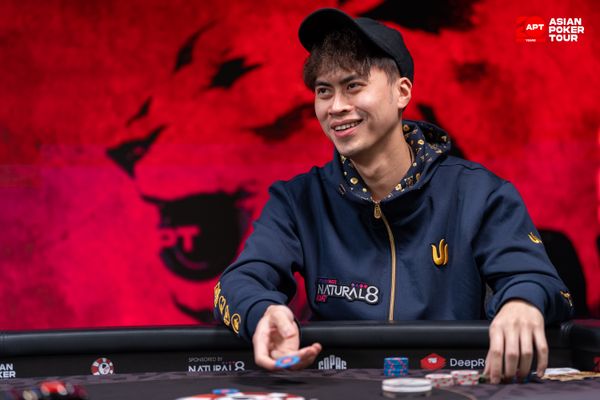
Wai Kiat Lee’s Journey: Console Poker to $26M Pro
Malaysian poker professional Wai Kiat Lee has transformed from a PlayStation WSOP player into one of the most successful Triton Super High Roller competitors in history, banking over $26 million in tournament earnings. His path reveals how dedication to learning from mistakes and strategic improvement can elevate a casual player to the elite ranks of high-stakes poker.
What Happened
Wai Kiat Lee’s poker origin story reads like many recreational players’ dreams, but his execution sets him apart. Before becoming a Natural8 ambassador and high-stakes crusher, Lee was grinding video game poker on PlayStation and watching November Nine broadcasts on YouTube from his home in Malaysia.
His journey began over a decade ago with friendly home games among friends. What separated Lee from countless others who start the same way was his systematic approach to improvement. He dedicated countless hours to studying strategy, hand review, and learning from superior opponents during an era when poker education resources were far less accessible than today’s solver-driven landscape.
The pivotal moment arrived in 2015 when Lee shipped a £300 buy-in tournament in the United Kingdom for approximately £50,000. This score provided both the bankroll and psychological confidence to pursue poker professionally. The financial cushion allowed him to continue developing his game without the crippling pressure that derails many aspiring professionals.
By 2016, Lee achieved his childhood dream of playing the World Series of Poker at the Rio in Las Vegas. That first walk into the tournament hall, hearing thousands of chips shuffling and seeing championship banners adorning the walls, marked his transition from dreamer to competitor on poker’s biggest stage.
His recent WSOP performances have validated his decade-long ascent. Lee pulled a $250,000 bounty in the $1,000 Mystery Bounty event, creating one of his most memorable summer moments. Beyond personal success, he’s witnessed close friend Danny Tang finish runner-up in the $2,500 Mixed Triple Draw event, highlighting the collaborative learning environment that fueled both players’ development.
The Poker Strategy Breakdown
Lee’s strategic evolution demonstrates the power of structured learning over natural talent. He openly admits he wasn’t a poker prodigy, making “plenty of mistakes” during his developmental years. His competitive edge emerged from how he processed these errors.
The Malaysian pro developed a three-step mistake correction protocol that became foundational to his improvement. First, he identified each error without ego or rationalization. Second, he invested time researching the theoretically correct play, often consulting stronger players or studying similar scenarios. Third, he implemented systems to prevent repeating the same mistake, essentially creating personal exploitability patches.
This methodology proved especially valuable during poker’s pre-solver era when players couldn’t simply run hands through PioSOLVER or GTO Wizard. Lee’s trial-and-error approach forced deeper conceptual understanding rather than rote memorization of outputs. He learned the “why” behind optimal plays, building a strategic foundation that adapted as the game evolved.
His success on the Triton Super High Roller circuit reveals advanced tournament skills beyond fundamental strategy. These events feature the world’s toughest competition with buy-ins ranging from $50,000 to over $1 million. Survival requires elite ICM understanding, dynamic adjustment to opponent tendencies, and the mental fortitude to execute under extreme financial pressure.
Lee’s collaborative approach with players like Danny Tang illustrates another strategic advantage. Rather than hoarding information, they studied together and challenged each other’s assumptions. This peer review process accelerated their development beyond what isolated study could achieve. They could test theories, debate marginal spots, and identify blind spots in each other’s games.
The continuous evolution Lee references reflects his understanding that poker mastery requires perpetual adaptation. As he notes, competition levels increase annually, especially in high roller events. Players who rely on static strategies eventually become exploitable as the field adjusts. Lee’s commitment to ongoing study keeps him ahead of this curve.
Reading The Field & Table Dynamics
Lee’s tournament success stems partly from understanding that poker exists beyond individual hands. His appreciation for the WSOP’s global draw demonstrates awareness of field composition’s importance. When players travel from every continent chasing bracelet dreams, the resulting mix creates unique dynamics unavailable in regional events.
The field diversity at WSOP events presents both opportunities and challenges. Tables might combine multiple bracelet winners, high roller regulars, and elite online grinders alongside recreational players fulfilling vacation dreams. This range requires constant gear-shifting that tests even experienced professionals.
Against recreational opponents, Lee can exploit fundamental errors and ABC poker principles. Against high roller regulars, he must employ mixed strategies, balance his ranges meticulously, and avoid predictable patterns. The ability to identify opponent categories quickly and adjust exploitation strategies accordingly separates consistent winners from break-even players.
Lee’s experience railing friends’ final tables provides valuable observational learning. Watching high-level play unfold without personal pressure allows analytical assessment of decision-making under ICM constraints. He can observe how different player types adjust their ranges as pay jumps increase, noting which adjustments prove effective and which create exploitable imbalances.
The Mystery Bounty format where Lee pulled his $250,000 prize introduces fascinating strategic wrinkles. Players must balance traditional tournament survival with bounty hunting incentives. Calling ranges adjust based on bounty values, stack depths, and remaining field size. Lee’s big score suggests strong format adaptation, likely recognizing spots where bounty equity justified slightly wider ranges than standard tournament play.
His Triton success indicates mastery of short-handed dynamics common in high roller events. These tournaments often feature smaller fields and faster structures, reaching final tables quickly. Short-handed play demands wider ranges, increased aggression, and comfort battling for every pot. The skill set differs significantly from full-ring WSOP events, yet Lee excels in both environments.
How To Apply This To Your Game
Lee’s journey offers actionable lessons for players at every level. His mistake-correction framework provides the most immediately applicable strategy. After each session, identify your three biggest errors. Don’t rationalize or results-orient—focus on process mistakes where you deviated from optimal play.
For each mistake, research the correct approach. Post hands in study groups, consult training sites, or run scenarios through solver software. Understanding why the alternative play performs better builds conceptual knowledge that transfers to similar future spots. Create a mistake journal documenting errors and corrections to prevent repetition.
Lee’s collaborative learning approach counters poker’s isolating nature. Find study partners near your skill level with complementary strengths. Schedule regular sessions reviewing challenging hands, debating marginal decisions, and testing strategic theories. The peer accountability accelerates improvement while making the learning process more enjoyable.
His emphasis on continuous evolution should inform your study priorities. The game constantly changes as population tendencies shift and new strategies emerge. Dedicate time monthly to reviewing recent training content, updating your understanding of exploitative adjustments, and identifying meta-game shifts in your regular player pool.
The bankroll management lesson from Lee’s £50,000 score deserves emphasis. That win provided financial breathing room to play without desperation, enabling better decision-making. Build sufficient bankroll cushions for your stakes that variance won’t force shot-taking or playing scared. This psychological freedom significantly impacts performance.
Finally, Lee’s appreciation for the journey alongside results orientation creates sustainable motivation. Celebrating friends’ successes, enjoying the competitive atmosphere, and finding meaning beyond monetary results prevents burnout. Poker careers span decades—maintaining genuine love for the game ensures longevity.
Key Takeaways
- Systematic mistake correction accelerates improvement more than natural talent—identify errors, research solutions, implement prevention systems
- Collaborative study with peers near your skill level provides accountability, diverse perspectives, and faster strategic development than isolated learning
- Field composition awareness and dynamic adjustment separate consistent winners from break-even players, especially in diverse WSOP events
- Proper bankroll management creates psychological freedom to make optimal decisions without desperation or fear
- Continuous evolution and ongoing study are essential as competition levels increase and the poker meta-game shifts
- Finding meaning beyond monetary results through community, competition appreciation, and genuine love for the game ensures career longevity
Frequently Asked Questions
How did Wai Kiat Lee transition from recreational to professional poker?
Lee’s transition began with friendly home games in Malaysia, followed by dedicated study of strategy and hand review. His breakthrough came winning a £300 UK tournament for £50,000 in 2015, which provided both bankroll and confidence to pursue poker professionally. He emphasizes that systematic learning from mistakes rather than natural talent drove his development.
What makes Wai Kiat Lee successful in Triton Super High Roller events?
Lee’s Triton success stems from elite ICM understanding, dynamic opponent adjustment, and collaborative study with top players like Danny Tang. His systematic approach to correcting mistakes and continuous strategic evolution keeps him competitive against the world’s toughest fields. He’s become one of the most successful players in Triton history with over $26 million in career tournament earnings.
How can recreational players apply Wai Kiat Lee’s learning methods?
Players should implement Lee’s three-step mistake correction process: identify errors without rationalization, research optimal solutions through study resources or solvers, and create systems to prevent repetition. Finding study partners for collaborative learning, maintaining proper bankroll management, and committing to continuous strategic evolution as the game changes are equally important for long-term improvement.
Final Thoughts
Wai Kiat Lee’s ascent from PlayStation poker to $26 million in tournament earnings illustrates that poker success follows a learnable path. His story demolishes the myth that only natural prodigies reach elite status. Instead, Lee demonstrates how systematic error correction, collaborative learning, and genuine passion for improvement can transform any dedicated player.
The Malaysian pro’s emphasis on process over results provides crucial perspective for aspiring professionals. While his £50,000 breakthrough and $250,000 Mystery Bounty pull make compelling headlines, the unsexy work between those moments built his success. Thousands of hours reviewing hands, studying strategy during poker’s pre-solver era, and learning from stronger players created the foundation for high roller dominance.
Perhaps most valuable is Lee’s reminder that poker remains a community endeavor despite its individual nature. Celebrating Danny Tang’s near-miss in the Mixed Triple Draw event, railing friends’ final tables, and maintaining study partnerships enriches the journey beyond monetary accumulation. As competition intensifies and the game evolves, these connections provide both strategic advantages and sustainable motivation for the long grind ahead.
Ready to Sharpen Your Poker Game?
Master your poker game with expert hand analysis