Phil Ivey’s Quest for PPC Glory: Final Table Strategy Analysis
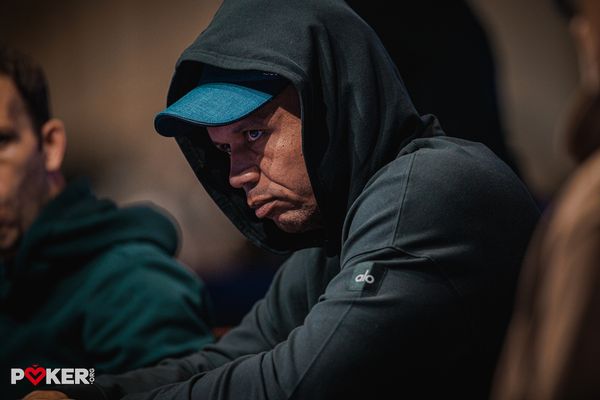
Phil Ivey sits fifth in chips among six elite players returning Thursday to complete the 2026 WSOP $50,000 Poker Players Championship, chasing his first-ever PPC title and a historic 12th career bracelet. The Hall of Famer’s sixth cash in this prestigious mixed-game event could finally deliver the one trophy that’s escaped his legendary grasp for two decades.
What Happened
The 2026 Poker Players Championship has reached its climactic conclusion with six world-class professionals battling for poker’s most coveted mixed-game crown. Leading the charge is eight-time bracelet winner Benny Glaser with 8,610,000 chips, followed by Maxx Coleman (5,565,000), Josh Arieh (5,265,000), Kristopher Tong (5,180,000), Phil Ivey (5,135,000), and short stack Paul Volpe (2,725,000).
The final day witnessed dramatic swings as players navigated through the nine-game rotation that defines this championship. Ivey faced elimination pressure during the closing levels of Day 4, grinding from the shortest stack to a competitive fifth-place position heading into Thursday’s finale. His resilience under pressure demonstrated exactly why he’s considered one of poker’s all-time greats.
Glaser maintained his dominance throughout the tournament, holding chip leadership since Day 1 and bringing that momentum into the final session. Meanwhile, Arieh mounted an impressive comeback from short-stack status with ten players remaining, climbing to third place and strengthening his 2026 WSOP Player of the Year candidacy.
The Poker Strategy Breakdown
Mixed-game tournaments like the PPC demand an entirely different strategic framework compared to No-Limit Hold’em events. Success requires mastery across nine distinct poker variants: No-Limit Hold’em, Pot-Limit Omaha, Limit Hold’em, Omaha Hi-Lo, Razz, Seven-Card Stud, Stud Hi-Lo, 2-7 Triple Draw, and Limit Hold’em. Each game rotation presents unique opportunities for skilled players to exploit opponents’ weaknesses.
The chip leader position carries particular weight in mixed-game formats. Glaser’s commanding stack provides crucial flexibility to apply pressure during limit games where aggression compounds across multiple betting rounds. In games like Razz or Stud Hi-Lo, having chips allows you to complete and raise liberally on early streets, forcing opponents into difficult decisions for significant portions of their stacks.
Ivey’s fifth-place stack presents interesting strategic considerations. With approximately 60% of Glaser’s chips, he maintains enough ammunition to remain dangerous but must pick his spots carefully. The key for middle-stack play in mixed games involves identifying which variants offer the greatest edge against specific opponents. If Ivey holds significant advantages in draw games or split-pot variants, he’ll want to accumulate chips during those rotations while playing more conservatively in games where opponents might hold edges.
The short-stack dynamic facing Volpe creates urgency but not desperation. With approximately 32 big bets in the limit games and adequate depth in pot-limit and no-limit variants, he retains tournament viability. Short-stack strategy in mixed games requires aggressive play during the big-bet games (No-Limit Hold’em and PLO) where doubling up happens quickly, while maintaining disciplined starting hand requirements in limit games where chip accumulation occurs more gradually.
Tournament structure also impacts strategic decisions significantly. As the field condenses to six players, ICM considerations become paramount. The pay jumps between sixth place and first create situations where survival sometimes trumps chip accumulation, particularly for middle stacks. However, the prestige associated with the PPC title means these elite competitors will likely prioritize winning over ladder climbing.
Reading The Field & Table Dynamics
This final table features an exceptional concentration of mixed-game expertise. Glaser’s eight bracelets all come from mixed variants, establishing him as arguably the world’s premier mixed-game specialist. His deep understanding of game theory optimal play across multiple formats makes him exceptionally difficult to exploit. Opponents must avoid predictable patterns, as Glaser possesses the skill to identify and punish any strategic leaks.
Arieh brings tremendous momentum and confidence from his exceptional 2026 WSOP performance. His runner-up finish in the $10K HORSE Championship and four additional top-10 finishes demonstrate peak form. Players running hot often make inspired decisions that seem to work out favorably, and Arieh’s recent success suggests he’s in that zone. His experience with four previous PPC top-10 finishes means he understands exactly what this moment requires.
Coleman’s breakthrough to his first PPC final table after two near-misses represents a significant psychological milestone. Having cleared that barrier, he enters Thursday with nothing to lose and everything to gain. This mindset can prove dangerous for opponents, as Coleman may play more freely without the burden of finally reaching a PPC final table weighing on his decisions.
Tong represents the wild card at this final table. His relatively low profile compared to the household names surrounding him might lead opponents to underestimate his abilities. However, his bracelet victory in last year’s $10K HORSE Championship and consistent results in high-stakes mixed games prove his credentials. Tong’s aggressive play during Day 4, when he briefly held the chip lead, signals he won’t be intimidated by the bigger names.
Ivey’s presence changes every table dynamic. His legendary status and reputation for reading opponents creates psychological pressure that’s difficult to quantify but impossible to ignore. Players may second-guess decisions against Ivey that they’d make confidently against others. However, this cuts both ways—opponents know Ivey wants this title badly after six cashes without a victory, potentially making them less likely to fold to his pressure.
The chip distribution creates interesting leverage points. With five players holding between 5.1 and 5.6 million chips, the middle of the pack remains incredibly tight. This clustering means a single game rotation could dramatically reshape the tournament landscape. One strong Stud Hi-Lo session or a few key pots in 2-7 Triple Draw could vault someone from fifth to second or drop them to the short stack.
How To Apply This To Your Game
While most players won’t face a PPC final table, the strategic principles on display offer valuable lessons for any mixed-game or tournament player. First, understanding your relative strengths across different game variants allows you to maximize value during favorable rotations. If you’re stronger at Omaha Hi-Lo than Razz, play more pots and apply more pressure during O8 while tightening up during Razz rounds.
Stack size management in mixed games requires different thinking than No-Limit Hold’em tournaments. In limit games, you can’t go broke in a single hand, which means your effective stack depth matters differently. Focus on maintaining enough chips to play multiple streets aggressively rather than worrying about single-hand elimination scenarios. In big-bet games, recognize when your stack has dropped to a size that requires more aggressive action.
Opponent observation becomes even more critical in mixed-game formats. Pay attention to which games each opponent plays confidently versus which games they seem uncomfortable navigating. A player who plays too many starting hands in Stud Hi-Lo or doesn’t understand proper draw strategy in 2-7 Triple Draw represents a significant profit source during those rotations.
Mental endurance matters enormously in mixed-game tournaments. These events test your concentration across multiple days and constant game switching. Develop the discipline to maintain focus during every game rotation, even variants you find less engaging. The players who succeed at the highest levels treat every hand with equal importance regardless of the game being spread.
Finally, embrace the learning process. Every player at this final table spent years developing expertise across nine different poker variants. They didn’t achieve mastery overnight. If you’re interested in mixed games, start by adding one or two new variants to your repertoire, study the fundamental strategy, and gradually expand your skillset over time.
Key Takeaways
- Phil Ivey is competing in his sixth PPC cash and first final table appearance since 2023, chasing his first-ever PPC title and 12th career WSOP bracelet
- Benny Glaser holds a commanding chip lead with 8.61 million, nearly 60% more than second place, giving him significant leverage across all nine game variants
- The middle stack cluster (Coleman, Arieh, Tong, and Ivey) separated by just 430,000 chips creates volatile dynamics where a single game rotation could dramatically shift the leaderboard
- Mixed-game final table strategy requires identifying your strongest variants and maximizing chip accumulation during those rotations while playing defensively in weaker games
- ICM considerations at six-handed play mean survival sometimes outweighs chip accumulation, though the prestige of the PPC title likely encourages aggressive play from these elite competitors
- Psychological factors including Ivey’s legendary status, Arieh’s hot streak, and Coleman’s breakthrough final table create complex table dynamics beyond pure technical skill
Frequently Asked Questions
What is the WSOP Poker Players Championship?
The Poker Players Championship is a $50,000 buy-in mixed-game tournament featuring nine different poker variants: No-Limit Hold’em, Pot-Limit Omaha, Limit Hold’em, Omaha Hi-Lo, Razz, Seven-Card Stud, Stud Hi-Lo, 2-7 Triple Draw, and Limit Hold’em. Many consider it the most prestigious title in poker because it requires mastery across multiple game formats rather than just one variant. The winner receives the Chip Reese Trophy, named after the legendary mixed-game player.
How many WSOP bracelets does Phil Ivey have?
Phil Ivey currently has 11 WSOP bracelets, making him one of the most decorated players in World Series of Poker history. A victory in the 2026 PPC would give him his 12th bracelet and his first-ever Poker Players Championship title. Despite six cashes in the event including a third-place finish in the inaugural 2006 edition, the PPC title has eluded Ivey throughout his Hall of Fame career.
What makes mixed-game tournaments strategically different from No-Limit Hold’em events?
Mixed-game tournaments require proficiency across multiple poker variants with fundamentally different strategic principles. Limit games involve fixed bet sizing and multi-street value extraction, while big-bet games allow for larger bluffs and stack-size leverage. Split-pot games like Stud Hi-Lo and Omaha Hi-Lo require understanding scooping versus quartering dynamics. Players must constantly adjust their strategy as games rotate, identify opponents’ weaknesses in specific variants, and manage their stack differently across limit and no-limit formats. This demands significantly broader poker knowledge than single-variant tournaments.
Final Thoughts
Thursday’s conclusion to the 2026 Poker Players Championship promises exceptional poker action as six elite mixed-game specialists battle for the sport’s most prestigious title. Phil Ivey’s quest to finally capture the trophy that’s eluded him across two decades adds compelling narrative drama to an already stacked final table. Whether the legendary Hall of Famer can overcome Benny Glaser’s chip lead and the formidable competition surrounding him remains to be seen, but the strategic chess match across nine poker variants will showcase the highest level of poker skill.
The tight chip distribution among the middle stacks ensures that Thursday’s action will feature aggressive play and dramatic swings. With so much prestige on the line and multiple players holding realistic chances at victory, expect to see world-class poker strategy executed under immense pressure. For Ivey specifically, this represents perhaps his best opportunity in years to add the PPC title to his remarkable resume and cement his legacy as poker’s greatest all-around player.
As these six competitors navigate the final levels of play, poker fans worldwide will watch to see who claims the Chip Reese Trophy and the honor of being crowned the 2026 Poker Players Championship winner. The strategic lessons on display—from chip leverage to game selection to psychological warfare—offer valuable insights for players at every level looking to improve their mixed-game proficiency.
Ready to Sharpen Your Poker Game?
Master your poker game with expert hand analysis