Brazil’s Tag Team Dominance: Strategy Behind WSOP Victory
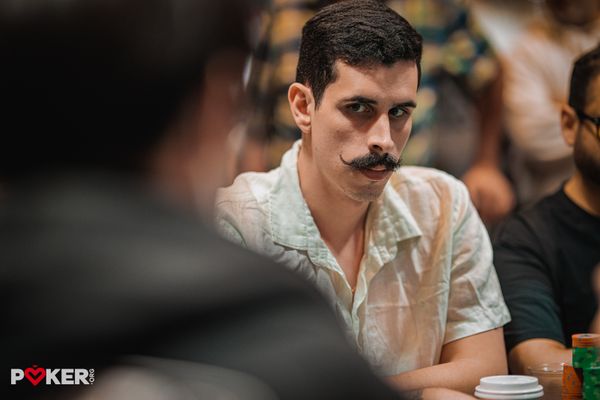
Breno Drumond and Henrique Lessa captured Brazil’s third WSOP bracelet of the summer, outlasting 1,375 teams in the Tag Team event to claim $184,769 and continue their country’s remarkable run. The Samba Poker Team representatives defeated Japan’s Ruka Yamauchi and Shotaro Murase in a heads-up battle that showcased both strategic substitution timing and the power of team chemistry forged over seven years.
What Happened
The World Series of Poker Tag Team event delivered its trademark blend of entertainment and competitive poker, culminating in a Brazilian victory that extended the country’s exceptional performance this summer. Drumond and Lessa navigated a massive field to reach a final table featuring representatives from six different nations, each backed by passionate supporters creating an electric atmosphere.
The tournament structure allows two-player teams to swap positions at will, creating unique strategic considerations absent from traditional poker tournaments. While costumes and casual energy dominated early play, the final table transformed into a serious battleground where substitution timing and team communication became critical factors.
This victory marks the third Brazilian bracelet of the series, following Yuri Dzivielevski’s triumph in the $100,000 High Roller and Joao Simao’s victory in the $50,000 Pot-Limit Omaha High Roller. The pattern suggests Brazilian poker training methods and team structures are producing consistently strong results at poker’s most prestigious tournament series.
For Drumond, the win represented redemption after finishing runner-up to Cary Katz in a $2,500 freezeout event at the previous year’s WSOP. The near-miss provided valuable experience that translated directly into improved decision-making under pressure. Lessa, meanwhile, was experiencing his first WSOP final table, making the bracelet victory even more significant for the seven-year partnership.
The Poker Strategy Breakdown
The Tag Team format introduces strategic dimensions that don’t exist in standard tournament poker. The ability to substitute players creates opportunities for fresh perspectives, mental rest, and tactical adaptation based on changing table dynamics. Understanding when to swap—and when to maintain continuity—separates successful teams from those who squander the format’s advantages.
Drumond and Lessa employed a structured substitution strategy early in the tournament, swapping every two hours to maintain mental freshness and prevent fatigue-induced errors. This disciplined approach ensures both players stay engaged with the tournament’s progression while allowing adequate rest periods. The two-hour interval provides sufficient time to develop reads on opponents and execute multi-street strategies without interruption.
As the field condensed and stack sizes became more critical, the Brazilian duo adjusted their rotation to one-hour intervals. This adaptation reflects sophisticated tournament thinking—shorter tables require more frequent positional adjustments, and hand frequencies increase as players are eliminated. More frequent swaps allow both team members to contribute observations about evolving opponent tendencies.
The most revealing strategic decision came when Drumond entered what Lessa described as “flow state.” Rather than rigidly adhering to their rotation schedule, Lessa recognized his partner was making optimal decisions and running well, so he ceded playing time. This demonstrates exceptional team communication and ego management—Lessa prioritized winning over personal playing time.
Drumond’s experience from his previous year’s runner-up finish proved invaluable at the final table. Deep tournament play requires different decision-making frameworks than earlier stages, with ICM pressure, pay jump considerations, and opponent desperation affecting optimal strategies. His ability to incorporate lessons from near-success into improved execution exemplifies growth mindset application to poker development.
The decision to have Drumond play the majority of the final table also reflects practical stack management wisdom. Frequent substitutions at final tables can telegraph hand strength or weakness, as opponents may interpret swaps as uncertainty or disagreement about strategy. Maintaining continuity prevents opponents from gaining information through substitution patterns.
Reading The Field & Table Dynamics
Six countries represented at the final table created diverse playing styles and strategic approaches. International final tables require adjustments for varying poker cultures—European players often employ different opening ranges than Americans, while Asian players may apply more aggressive post-flop pressure in certain situations. Successful players recognize these tendencies without relying on stereotypes.
The passionate rail support for multiple teams introduced psychological elements uncommon in standard tournaments. Playing before enthusiastic supporters can elevate performance through increased focus and motivation, but it can also create pressure to make spectacular plays rather than optimal ones. Drumond and Lessa’s ability to channel their rail’s energy positively contributed to their success.
Four-handed play represents a critical transition point where Drumond and Lessa made their final substitution before Drumond completed the victory. This stage features dramatically different ranges than full-ring play—hands like ace-rag and king-rag suited gain significant value, while speculative holdings like small pocket pairs and suited connectors lose equity. Teams that fail to adjust their calling and raising ranges at short-handed tables sacrifice considerable expected value.
Heads-up against the Japanese duo required another strategic gear shift. Optimal heads-up play involves defending blinds with roughly 40-50% of hands and applying consistent pressure through aggression. The format also rewards psychological warfare and pattern disruption—varying bet sizing, timing, and hand selection prevents opponents from developing reliable reads.
ICM considerations at final tables create situations where chip preservation sometimes outweighs pot odds, particularly when pay jumps are substantial. Understanding when to apply ICM pressure against opponents protecting their stack—and when to release hands that would be clear calls in chip EV situations—separates elite tournament players from merely competent ones.
How To Apply This To Your Game
Even players who never compete in Tag Team events can extract valuable lessons from Drumond and Lessa’s approach. The concept of recognizing when you’re in flow state versus when you’re making suboptimal decisions applies to all poker formats. Develop the self-awareness to identify when fatigue, tilt, or distraction is affecting your play, and take breaks accordingly.
Their structured approach to tournament stages offers a blueprint for preparation. Establish clear strategic frameworks for different table sizes—full ring, six-handed, four-handed, and heads-up all require distinct ranges and aggression frequencies. Practice these situations specifically rather than assuming skills transfer automatically across formats.
The value of learning from near-misses cannot be overstated. Drumond’s runner-up finish the previous year provided education that directly contributed to his bracelet victory. After deep tournament runs that end short of victory, conduct thorough hand reviews focusing on final table decisions. Identify spots where alternative lines might have changed outcomes, and incorporate those adjustments into future play.
Team dynamics and coaching relationships accelerated both players’ development. The Samba Poker Team structure provided mentorship from previous Tag Team champions Kelvin Kerber and Peter Patricio, creating knowledge transfer between generations of players. Seek out study groups, coaching relationships, or training site communities that provide feedback and accountability for your poker development.
Their substitution strategy reflects the importance of game planning before tournaments begin. Establish clear criteria for decision-making under various scenarios rather than making reactive choices during play. This preparation reduces cognitive load during hands, allowing more mental resources for opponent reads and strategic adjustments.
Finally, their seven-year journey from poker beginners to WSOP champions demonstrates the timeline required for elite-level success. Sustainable poker improvement comes from consistent study, regular play, and patience with the development process. Avoid the trap of expecting rapid results—instead, focus on incremental improvements in specific game aspects.
Key Takeaways
- Strategic substitution timing in team events requires balancing fresh perspectives with maintaining continuity and avoiding information leaks to opponents
- Recognizing when a partner (or yourself) is in flow state and adjusting plans accordingly demonstrates sophisticated team communication and ego management
- Previous deep runs provide invaluable experience for final table play—analyzing near-misses accelerates improvement more than celebrating easy victories
- Different tournament stages require distinct strategic frameworks, particularly the transitions to four-handed and heads-up play where hand values shift dramatically
- Quality coaching relationships and training communities accelerate development through knowledge transfer and accountability structures
- Sustainable poker success operates on multi-year timelines—Drumond and Lessa’s seven-year journey from beginners to champions reflects realistic development expectations
Frequently Asked Questions
How does the WSOP Tag Team format work?
The Tag Team event allows two-player teams to substitute at will throughout the tournament. Teams share a single stack, and either player can take the seat at any time between hands. This creates unique strategic considerations around when to swap players based on fatigue, opponent matchups, and table dynamics. The format has become one of the most popular events at the WSOP due to its social nature and strategic complexity.
What is the Samba Poker Team and why are they so successful?
Samba Poker Team is a Brazilian training stable that provides coaching, backing, and community for developing players. Their success stems from structured training programs, mentorship from experienced professionals, and a collaborative learning environment. The team won back-to-back Tag Team events with Kerber and Patricio winning the previous year, then Drumond and Lessa capturing this year’s title, demonstrating the effectiveness of their training methodology.
How should strategy change at four-handed versus full-ring play?
Four-handed play requires significantly wider ranges than full-ring poker. Hands like ace-rag suited, king-rag suited, and any pocket pair gain substantial value with fewer opponents. Opening ranges should expand to roughly 40-50% of hands from the button, and blind defense frequencies increase dramatically. Post-flop aggression becomes more valuable as players can represent wider ranges, and positional advantage intensifies with fewer players to act behind you.
Final Thoughts
Brazil’s remarkable performance at this year’s WSOP extends beyond individual talent to reflect the strength of their poker infrastructure and training communities. Three bracelets from a single country in one series demonstrates systematic excellence rather than fortunate variance. The Samba Poker Team’s back-to-back Tag Team victories particularly highlight how quality coaching and collaborative learning environments produce consistent results.
Drumond and Lessa’s victory offers lessons that transcend the Tag Team format. Their disciplined approach to substitution timing, willingness to adjust plans based on flow states, and seven-year commitment to improvement provide a blueprint for poker development at all levels. The ability to learn from setbacks—as Drumond did after his runner-up finish—separates players who achieve long-term success from those who plateau after initial progress.
As the WSOP continues, Brazil’s momentum positions them as serious contenders for additional bracelets. Whether you’re competing in Las Vegas or grinding online tournaments, the strategic principles demonstrated by this Tag Team victory apply universally: prepare thoroughly, adjust dynamically, learn continuously, and maintain the patience required for sustainable success in poker’s most challenging formats.
Ready to Sharpen Your Poker Game?
Master your poker game with expert hand analysis