How a Recreational Player Beat WSOP Pros at Their Own Game
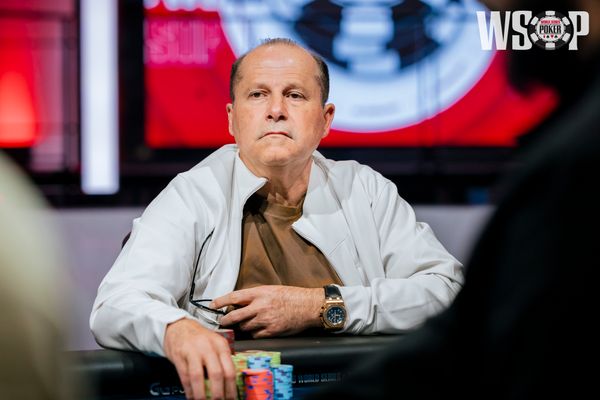
A 57-year-old businessman who treats poker as a hobby just outlasted nine WSOP bracelet winners to capture the $10,000 GGMillion$ High Roller title and over $1 million in prize money. Naseem Salem’s victory at Event #11 proves that mental fortitude and proper expectation management can trump pure technical skill when the pressure reaches its peak.
What Happened
The $10,000 GGMillion$ High Roller attracted 627 entries and generated a prize pool exceeding $5.8 million. By the time the final table assembled on Day 4, the lineup read like a who’s who of tournament poker excellence.
Five of the eight finalists already owned WSOP bracelets: John Racener with three, Chris Brewer and Cliff Josephy with two each, plus Joey Weissman and Roman Hrabec with one apiece. The experience gap seemed insurmountable for the recreational players at the table.
Yet when the dust settled after an earthquake literally shook the Paris ballroom mid-tournament, it was San Diego businessman Naseem Salem hoisting the hardware. Salem, who views poker as stress relief from his business ventures, navigated a treacherous final table that saw all five bracelet winners eliminated before heads-up play began.
The heads-up battle against Texas player Alexis Cruz provided the day’s most dramatic moments. Cruz’s rail packed the arena, creating a hostile atmosphere for Salem. In one pivotal hand, Cruz found himself all-in with pocket sixes against Salem’s ace-king, down to just 2% equity with one card to come. The river delivered a miracle six, keeping Cruz alive and sending his supporters into a frenzy.
Rather than tilting or losing composure, Salem calmly acknowledged the bad beat and continued grinding. The final hand came down to a classic flip: Cruz’s pocket jacks versus Salem’s ace-queen. An ace on the turn gave Salem the lead, and this time it held through the river, delivering him the bracelet and $1,089,964 in prize money.
The Poker Strategy Breakdown
Salem’s victory offers fascinating insights into tournament poker strategy, particularly regarding aggression timing and stack preservation. While we don’t have access to every hand history, the key confrontations reveal a player who understood when to apply pressure and when to exercise patience.
The decision to get involved in the final hand with ace-queen offsuit heads-up demonstrates sound ICM understanding. With two players remaining and significant pay jumps already secured, the correct strategy shifts toward higher variance plays. Ace-queen performs excellently against most pocket pair ranges below queens, and dominates the suited broadway combinations that make up a balanced shoving range.
Against Cruz’s pocket jacks, Salem was roughly 43% to win—not ideal, but far from disastrous. In heads-up play with relatively shallow stacks (the exact depths weren’t disclosed, but given the hand played out preflop, likely under 30 big blinds), accepting flips becomes mandatory. Players who wait for premium hands exclusively will blind away their stack and surrender the bracelet without a fight.
Salem’s coaching relationship with Rui Campos likely paid dividends in these critical moments. Quality coaching doesn’t just teach hand ranges and bet sizing—it instills the confidence to execute plays under maximum pressure. When you trust your preparation, you can fire the trigger without hesitation when game theory demands aggression.
The earlier confrontation where Cruz rivered a two-outer to survive also reveals strategic maturity. Lesser players might have gone on tilt, started making hero calls, or abandoned their game plan entirely. Salem’s ability to absorb the beat and continue playing fundamentally sound poker separated him from the field. Emotional control is a skill that can be developed, but it requires conscious effort and often comes easier to players who maintain healthy perspective on the game’s role in their life.
Reading The Field & Table Dynamics
The early eliminations of Josephy, Weissman, and Hrabec within the first hour illustrate how quickly final table dynamics can shift. Chad Lipton’s pocket kings against Josephy’s eights was a standard cooler, but Lipton’s ability to flop a set and eliminate two opponents in the next hand showed aggressive final table play.
When a player like Lipton gets hot early, it creates a domino effect. Other players tighten up, waiting for premium holdings to combat the chip leader. This dynamic likely allowed Salem to accumulate chips through well-timed aggression against opponents playing scared money.
The presence of so many accomplished pros at the final table creates an interesting psychological dynamic for recreational players. Some amateurs would feel intimidated, playing too tight and waiting for the pros to eliminate each other. Others might overcompensate with excessive aggression, trying to prove they belong. Salem appears to have struck the perfect balance—respecting his opponents’ skill while trusting his own preparation.
Heads-up against Cruz, Salem faced an additional challenge: a heavily biased rail. Cruz’s supporters cheered every pot their player won, creating an atmosphere that could rattle even experienced professionals. The ability to tune out external noise and focus on optimal decision-making becomes crucial in these spots. Salem’s business background likely helped here—anyone who’s closed high-stakes deals or navigated contentious negotiations develops thick skin.
The miracle river that saved Cruz could have completely shifted momentum. In poker, we often see players who catch lucky breaks ride that wave to victory, while their opponents begin second-guessing every decision. Salem’s response—acknowledging the math, accepting the variance, and moving forward—exemplifies championship-level mental game.
How To Apply This To Your Game
The most important lesson from Salem’s victory isn’t about hand selection or bet sizing—it’s about managing expectations and maintaining perspective. Salem explicitly stated he’d given up on winning a bracelet because he lacked the stamina for multi-day events. This mindset paradoxically freed him to play his best poker without the weight of desperation.
When you enter tournaments expecting to win, every setback feels catastrophic. When you play with house money mentally—viewing deep runs as bonuses rather than entitlements—you make clearer decisions under pressure. Consider lowering your expectations before your next tournament. Focus on playing well rather than winning, and let results take care of themselves.
Invest in quality coaching, especially if poker is a serious hobby rather than your profession. Salem credits his coach Rui Campos for his success. A good coach provides more than strategy—they offer accountability, help identify leaks, and build confidence. For recreational players competing against professionals, closing the knowledge gap through coaching can level the playing field considerably.
Develop your mental game with the same intensity you study ranges and frequencies. Practice accepting bad beats gracefully in small stakes games, so you’re prepared when it happens with life-changing money on the line. Meditation, visualization, and post-session review all contribute to emotional resilience. The player who maintains composure after a brutal river card has an enormous edge over opponents who tilt.
Embrace variance and understand the math. When Salem acknowledged Cruz was down to 2% equity, he demonstrated clear understanding of the situation. This knowledge helps you accept outcomes rationally rather than emotionally. Study equity calculations, run simulations, and internalize that even 95% favorites lose one time in twenty. When you truly understand variance, bad beats sting less.
Finally, consider whether your relationship with poker serves you. Salem treats poker as stress relief from his business career. This healthy relationship allows him to play fearlessly because poker results don’t define his self-worth or financial security. If poker creates more stress than it relieves, reassess your approach. The best poker is played from a position of abundance, not desperation.
Key Takeaways
- Mental fortitude and emotional control often matter more than technical skill in high-pressure final table situations, especially when facing multiple bad beats
- Lowering expectations paradoxically improves performance by reducing pressure and allowing you to play your natural game without fear
- Quality coaching provides strategic knowledge, confidence, and accountability that can help recreational players compete with professionals
- Accepting variance intellectually and emotionally prevents tilt and maintains decision-making quality after brutal runouts
- Heads-up play requires accepting higher variance situations like race scenarios rather than waiting for premium holdings
- External factors like biased rails and even earthquakes test your ability to maintain focus on optimal strategy
Frequently Asked Questions
How can recreational players compete with WSOP bracelet winners?
Recreational players can compete effectively by investing in quality coaching, studying modern strategy, and leveraging superior mental game. Many professionals play too many hours and experience burnout, while fresh recreational players often bring better focus and emotional control to big tournaments. The skill gap has also narrowed significantly with widely available training resources.
What should you do after suffering a bad beat in a tournament?
Take a deep breath, acknowledge the mathematical reality of the situation, and refocus on the next hand. Avoid reviewing the hand repeatedly or discussing it with others during play. Accept that variance is inherent to poker and that your long-term edge comes from making correct decisions, not winning individual hands. If you feel yourself tilting, consider taking a brief walk during a break to reset mentally.
How important is coaching for tournament success?
Coaching accelerates improvement dramatically, especially for players who’ve plateaued studying independently. A quality coach identifies leaks you can’t see yourself, provides accountability for implementing changes, and builds confidence in your decision-making. For recreational players with limited study time, coaching offers the most efficient path to closing the gap with professionals who play full-time.
Final Thoughts
Naseem Salem’s victory in the $10,000 GGMillion$ High Roller reminds us that poker rewards more than just technical proficiency. While hand reading, range construction, and GTO strategy matter enormously, the mental game separates good players from champions when the pressure peaks and life-changing money sits on the line.
The fact that Salem outlasted nine bracelet winners while treating poker as a hobby rather than a profession should inspire recreational players everywhere. You don’t need to quit your job and grind full-time to compete at the highest levels. What you need is quality preparation, emotional resilience, and the perspective to play fearlessly when opportunity presents itself.
Whether you’re grinding $1/$2 cash games or taking shots at major tournaments, the lessons from Salem’s victory apply universally. Manage your expectations, invest in your mental game, accept variance gracefully, and maintain healthy perspective on poker’s role in your life. Master these elements, and you’ll be amazed how much your results improve—regardless of your technical skill level.
Ready to Sharpen Your Poker Game?
Master your poker game with expert hand analysis