Jeremy Ausmus: Why Poker Coverage Must Return to Storytelling
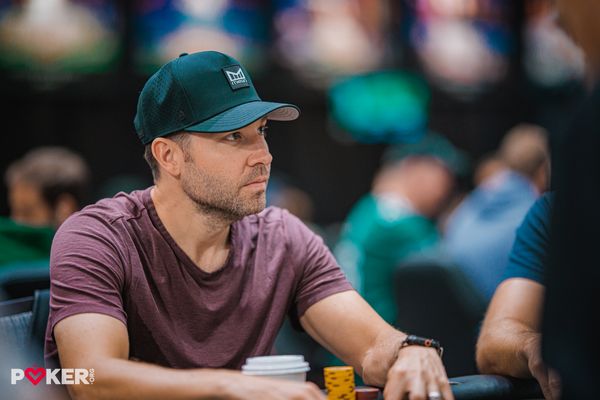
Six-time WSOP bracelet winner Jeremy Ausmus believes modern poker coverage has lost its soul. The high-stakes pro argues that focusing on hand ranges and technical strategy has alienated casual viewers, and poker needs to rediscover the human narratives that built the game’s golden era.
What Happened
In a candid discussion ahead of the 2026 World Series of Poker, Jeremy Ausmus shared his perspective on the current state of poker media and what it takes to compete at the highest level. The respected tournament grinder, who tied Phil Hellmuth’s record with seven final table appearances at the 2024 WSOP, opened up about his evolving approach to the game and his concerns about how poker is being presented to audiences.
Ausmus is taking an unconventional approach this summer, missing the opening events of the WSOP for the first time in his career to take a family trip to Japan. After 22 years as a professional, he’s found new motivation through content creation, launching a vlog that’s allowed him to connect with poker fans in a different way. But it’s his commentary on poker coverage that strikes at the heart of a broader industry challenge.
The ESPN and WSOP partnership renewal has sparked conversations about how the Main Event should be presented to viewers. According to Ausmus, recent broadcasts have become too technical, focusing heavily on GTO concepts and range analysis rather than the compelling human stories that once made poker appointment television.
The Poker Strategy Breakdown
Ausmus’s critique of modern poker coverage reveals an interesting paradox in how the game has evolved. Over the past decade, poker strategy has become increasingly sophisticated. Solvers have revolutionized how professionals approach the game, and Ausmus himself admits to immersing himself in solver work for six to eight years. This technical revolution has undeniably raised the skill ceiling.
However, this strategic depth creates a presentation problem. When broadcasts focus on explaining why a player’s three-bet frequency from the cutoff should be 12% versus 15%, they’re speaking a language that only experienced players understand. The average viewer tuning into ESPN doesn’t have the context to appreciate these nuances, and more importantly, they don’t necessarily care.
The golden era of poker television—the Moneymaker boom years and the years that followed—succeeded because it told stories anyone could understand. A accountant from Tennessee turns $86 into millions. An amateur outlasts professionals on poker’s biggest stage. These narratives transcended the game itself and tapped into universal themes of ambition, risk, and the possibility of life-changing success.
Ausmus’s point about the local qualifier who wins his way into the Main Event exemplifies this approach. That player’s journey—the home games, the local card room grind, the satellite victory, and suddenly sitting across from poker legends—creates an emotional arc that viewers can invest in regardless of their poker knowledge. When coverage prioritizes hand analysis over human drama, it sacrifices accessibility for expertise.
This doesn’t mean strategy content has no place in poker media. Platforms like PokerGO serve dedicated audiences who crave technical breakdowns. But the WSOP Main Event on ESPN represents poker’s annual opportunity to reach beyond the existing player base and capture mainstream attention. That requires a different approach.
Reading The Field & Table Dynamics
Ausmus’s perspective on the upcoming WSOP Player of the Year race illustrates another dimension of high-level tournament poker—the mental and physical endurance required to compete across an entire summer. He acknowledges that his schedule last year was “ridiculous” and questions whether he can maintain that pace again.
The comparison with Shaun Deeb is particularly revealing. Deeb’s aggressive tournament schedule and high-variance playing style—”he’s going to bust or build a stack”—represents one approach to the POY race. It requires not just skill but incredible stamina and the ability to maintain focus across dozens of events over ten weeks.
Ausmus’s mention of jet lag and circadian rhythm management might seem tangential, but it speaks to the often-overlooked physical demands of tournament poker. The biohacking approach he references—getting sunlight exposure immediately upon waking—reflects how seriously top professionals take every edge, even outside the felt. When you’re competing in multiple events per week for months, sleep quality and mental sharpness become as important as technical skill.
The Fantasy Draft dynamic adds another layer to tournament strategy. Knowing you’re the highest-priced player creates expectations and potentially influences tournament selection. Do you play more events to justify the investment? Do you take more risks to accumulate points? These external pressures can subtly affect decision-making at the table.
How To Apply This To Your Game
While Ausmus’s comments focus on poker media, they contain valuable lessons for players at every level. The first is about sustainable improvement. Ausmus notes that after immersing himself in solver work for years, the incremental gains have diminished. This reflects a universal truth about skill development—the better you get, the harder it becomes to improve further.
For recreational players, this suggests focusing your study time on fundamental concepts that offer the highest return on investment. Before worrying about optimal three-bet frequencies, master basic position awareness, hand selection, and bet sizing. The diminishing returns Ausmus experiences at the elite level don’t apply when you’re still building your foundation.
His decision to diversify into content creation also offers a lesson about maintaining motivation. After two decades as a professional, Ausmus needed a new challenge to stay engaged. For amateur players, this might mean setting different types of goals—not just profit targets but also learning objectives, tournament milestones, or even social goals like building friendships through poker.
The emphasis on preparation and self-care is another takeaway. Ausmus discusses taking time off before the WSOP, balancing study with coaching, and managing his physical condition for the grind ahead. Even if you’re playing a local tournament series rather than the WSOP, these principles apply. Showing up well-rested and mentally prepared gives you an edge over opponents who treat poker sessions as afterthoughts.
Finally, Ausmus’s willingness to miss the WSOP opening events for family time demonstrates the importance of life balance. Poker should enhance your life, not consume it. The most successful long-term players understand that maintaining relationships and personal well-being ultimately supports rather than detracts from poker performance.
Key Takeaways
- Modern poker coverage has become too technical, focusing on strategy at the expense of compelling human narratives that attract mainstream audiences
- The golden era of poker television succeeded by telling relatable stories about ordinary people achieving extraordinary things, not by explaining GTO concepts
- Diminishing returns on study time are inevitable at high skill levels—focus your learning on fundamentals that offer the greatest improvement
- Long-term success in poker requires managing physical and mental health, including sleep quality, jet lag recovery, and maintaining motivation through diverse challenges
- The WSOP Player of the Year race demands not just skill but incredible endurance and the ability to maintain peak performance across months of competition
- Balancing poker with personal life and family commitments is essential for sustainable success and overall well-being
Frequently Asked Questions
Why does Jeremy Ausmus think poker coverage needs to change?
Ausmus believes recent poker broadcasts have focused too heavily on technical strategy and hand range discussions, which only appeal to experienced players. He argues that poker’s growth depends on returning to narrative-driven coverage that tells compelling human stories—like local qualifiers reaching the Main Event—that casual viewers can connect with emotionally regardless of their poker knowledge.
How many WSOP bracelets has Jeremy Ausmus won?
Jeremy Ausmus has won six WSOP gold bracelets throughout his career. He also tied Phil Hellmuth’s record by making seven final tables during the 2024 WSOP series, establishing himself as one of the most consistent tournament performers in the game.
What is Jeremy Ausmus’s approach to preparing for the WSOP?
Ausmus takes a balanced approach that includes taking time off from playing, focusing on content creation through his vlog, catching up on study, and doing coaching work to stay sharp. He also emphasizes physical preparation, including managing jet lag through techniques like getting sunlight exposure immediately upon waking to reset his circadian rhythm.
Final Thoughts
Jeremy Ausmus’s call for poker to return to storytelling isn’t just nostalgia for the Moneymaker era—it’s a strategic assessment of what the game needs to grow. Technical excellence and solver-based strategy have their place, but they shouldn’t come at the expense of the human drama that makes poker compelling to watch. The challenge for poker media is finding the right balance: respecting the sophistication of modern players while remaining accessible to newcomers.
For players, Ausmus’s insights offer a reminder that poker success extends beyond the felt. Managing your physical condition, maintaining motivation through diverse challenges, and balancing the game with personal life all contribute to long-term performance. As the 2026 WSOP approaches, these lessons apply whether you’re competing for Player of the Year or playing your first tournament series.
The conversation about poker coverage ultimately reflects broader questions about the game’s future. Will poker remain a niche pursuit for dedicated strategists, or can it recapture mainstream attention? Ausmus’s answer is clear: tell better stories, and the audience will follow.
Ready to Sharpen Your Poker Game?
Master your poker game with expert hand analysis