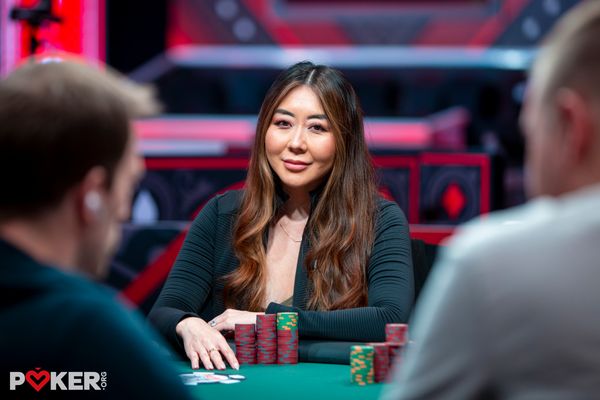
Maria Ho: Women’s Poker Growth ‘At a Snail’s Pace’
Maria Ho, one of poker’s most recognizable female professionals and broadcast voices, says progress for women in the game has been disappointingly slow despite two decades of advocacy. Speaking ahead of the 2026 WSOP, the veteran pro and commentator revealed her frustration with the glacial pace of change—even as she balances motherhood with her broadcasting career.
What Happened
In a candid conversation before the 2026 World Series of Poker, Maria Ho opened up about her dual role as WSOP commentator and new mother, while addressing the elephant in the room that many in poker prefer to ignore: women’s participation in the game isn’t growing nearly fast enough.
Ho, who will join the WSOP commentary booth alongside Norman Chad and Jeff Platt for ESPN’s coverage of the series, didn’t mince words when discussing the state of women’s poker. Despite notable success stories like Shiina Okamoto’s back-to-back Ladies Championship victories, Kristen Foxen’s high roller dominance, and Cherish Andrews’ tournament prowess, Ho believes the overall trajectory falls far short of expectations.
The timing of her commentary role holds personal significance. Last year, Ho stepped away from competition due to what she described as “personal life stuff”—she was pregnant. Now, as a mother, the broadcasting schedule offers flexibility that grinding multi-day tournaments simply can’t provide. Still, she’s clear that competitive poker remains in her future plans.
Ho’s partnership with ESPN marks a significant moment for poker’s mainstream visibility. She emphasized that poker’s explosive growth during the Moneymaker era happened precisely because ESPN brought the game to living rooms across America. With the WSOP-ESPN partnership renewed, she’s hopeful that broader exposure can accelerate growth—particularly among women who might be watching from home.
The Poker Strategy Breakdown
While Ho’s interview focused on industry dynamics rather than hand analysis, her perspective offers strategic insights that extend beyond individual decisions at the felt. Understanding the meta-game of poker—the environment, culture, and accessibility—is as crucial to long-term success as knowing when to three-bet or fold to river pressure.
Ho’s role as a “bridge” between elite players and recreational audiences reveals an often-overlooked strategic element: the ability to translate complex poker thinking into accessible concepts. This skill isn’t just valuable for commentators—it’s essential for players who want to improve. The best players don’t just make correct decisions; they understand why those decisions are correct and can articulate the reasoning.
When Ho discusses watching “the best players in the poker world” from the booth, she’s engaging in what amounts to high-level study sessions. Observing elite players navigate difficult spots, particularly in WSOP Main Event and high roller scenarios, provides a masterclass in advanced strategy. The commentary booth offers a unique vantage point: access to hole cards, time to analyze decisions, and the ability to discuss strategy with other sharp poker minds in real-time.
Her emphasis on preparation—particularly praising Jeff Platt’s thorough approach—highlights a strategic principle that applies universally in poker: preparation separates good players from great ones. Whether you’re commentating or competing, understanding player tendencies, tournament structures, stack dynamics, and historical context gives you edges that compound over time.
The strategic challenge Ho identifies regarding women’s participation also has game-theory implications. Poker thrives on player diversity. A homogeneous player pool—whether in terms of demographics, playing styles, or strategic approaches—creates a less dynamic, less profitable ecosystem. The slower-than-expected growth of women in poker represents not just a social issue but a strategic limitation for the game’s evolution.
Reading The Field & Table Dynamics
Ho’s observations about the live poker environment reveal critical insights about table dynamics that every player should consider. Her encouragement for women playing online to transition to live poker acknowledges a fundamental truth: live and online poker present vastly different psychological challenges.
The live poker environment introduces variables that online play eliminates—physical presence, verbal interaction, extended time in public spaces, and the social dynamics of predominantly male tables. For women considering the transition from online to live play, understanding these dynamics isn’t optional; it’s essential for both comfort and profitability.
Table dynamics shift dramatically based on player demographics. A table with a female player often experiences subtle changes in behavior—some players become more talkative, others more aggressive, and some notably more passive. Recognizing these adjustments and exploiting them represents a significant edge. Ho’s point about making environments “more friendly” isn’t just about inclusivity; it’s about creating conditions where all players can focus on optimal strategy rather than managing uncomfortable social situations.
The high roller circuit that Ho mentions—where players like Kristen Foxen have established themselves—operates under different dynamics than typical tournament fields. These events feature smaller fields, higher buy-ins, and players with deeper strategic knowledge. The fact that women are now fixtures in these events signals an important shift: female players aren’t just participating; they’re competing at the highest levels where edges are smallest and skill differences most pronounced.
Tournament stage considerations also factor into Ho’s decision to focus on commentary rather than competition currently. Multi-day tournaments require sustained focus, physical endurance, and schedule flexibility that becomes challenging with family responsibilities. This reality affects many players—male and female—but disproportionately impacts women, particularly mothers. Understanding how life circumstances influence optimal poker career decisions is itself a form of game selection strategy.
How To Apply This To Your Game
Ho’s insights offer several actionable applications for players at all levels looking to improve their game and navigate the poker landscape more effectively.
Study elite play systematically. Ho’s commentary role essentially provides paid study time watching the world’s best players. You can replicate this by regularly watching high-level poker content with a critical eye. Don’t just watch for entertainment—analyze decisions, consider alternatives, and think about how you’d approach similar spots. The WSOP broadcasts that Ho will commentate offer exactly this opportunity.
Bridge your own knowledge gaps. Ho describes herself as a bridge between elite players and recreational audiences. Apply this concept to your own game by identifying the gap between your current understanding and expert-level thinking. When you encounter a concept you don’t fully grasp, don’t skip over it—dig deeper until you can explain it simply. If you can’t explain a poker concept clearly, you don’t understand it well enough.
Prepare like a professional. Ho’s praise for Jeff Platt’s preparation highlights a principle that applies whether you’re commentating or competing. Before sessions, review your recent hands, study opponents you expect to face, and refresh yourself on key strategic concepts relevant to the games you’ll play. Preparation compounds—every session you enter prepared builds on previous preparation.
Choose your spots strategically. Ho’s decision to focus on commentary rather than grinding tournaments reflects smart game selection based on life circumstances. Evaluate your own situation honestly. If you’re not in an optimal position to compete—whether due to bankroll, time constraints, or mental state—consider alternatives that keep you engaged with poker while preserving your resources for better spots.
Advocate for better environments. Ho’s call for making poker more welcoming isn’t just about social responsibility—better environments attract more players, which creates softer games and more opportunities. Whether you’re a recreational player or professional, you benefit from a growing, diverse player pool. Simple actions like maintaining respectful table talk, calling out inappropriate behavior, and welcoming newer players contribute to this growth.
Transition strategically from online to live. If you’re primarily an online player considering live poker, prepare for the transition deliberately. Start with lower-stakes live games to acclimate to the pace and social dynamics. Observe how live players differ from online opponents. Recognize that your edge might initially be smaller in live play, but the games are often significantly softer once you adjust.
Key Takeaways
- Despite notable success stories, women’s participation in poker has grown at a “snail’s pace” over the past two decades, falling short of expectations for demographic expansion
- The WSOP-ESPN partnership represents a crucial opportunity for mainstream exposure that could accelerate growth, similar to the Moneymaker effect that transformed poker in the early 2000s
- Commentary and broadcasting provide valuable study opportunities—watching elite players with analytical focus offers strategic insights that directly improve your game
- Making poker environments more welcoming isn’t just a social issue; it’s a strategic imperative that benefits the entire ecosystem by attracting diverse players and creating more dynamic games
- Smart game selection extends beyond table selection—it includes choosing roles and formats that align with your current life circumstances and long-term goals
- The gap between online and live poker requires deliberate preparation and adjustment, particularly regarding social dynamics and environmental factors that don’t exist in digital play
Frequently Asked Questions
Why has women’s participation in poker grown slower than expected?
Multiple factors contribute to the slow growth, including environmental challenges in predominantly male card rooms, limited visibility of female role models until recently, and structural barriers like multi-day tournament formats that can conflict with family responsibilities. Additionally, the social dynamics at live tables can be unwelcoming, discouraging women from transitioning from online to live play where the poker economy thrives.
How can the poker industry accelerate growth among women players?
Key strategies include improving card room environments to be more welcoming, increasing visibility of successful female players through broadcasting and media coverage, offering more flexible tournament structures, actively addressing inappropriate behavior at tables, and creating pathways for online players to transition comfortably to live play. The WSOP-ESPN partnership provides mainstream exposure that could attract new demographics to the game.
What advantages does commentary work offer poker professionals compared to playing?
Commentary provides more predictable schedules, less variance in income, opportunities to study elite play while working, networking with industry figures, and the ability to remain connected to poker while managing other life commitments. For players like Maria Ho balancing motherhood with poker careers, broadcasting offers flexibility that grinding tournaments cannot. Additionally, commentary builds personal brands that create long-term value beyond tournament results.
Final Thoughts
Maria Ho’s candid assessment of women’s poker growth—or lack thereof—should serve as a wake-up call for an industry that often celebrates incremental progress while ignoring the bigger picture. Twenty years is a long time in any field, and the fact that women’s participation remains marginal despite multiple initiatives and success stories suggests systemic issues that surface-level solutions won’t fix.
Yet Ho’s perspective isn’t purely pessimistic. Her continued involvement in poker through commentary, her optimism about the ESPN partnership’s potential impact, and her encouragement for women to step into live poker all signal belief that meaningful change remains possible. The question is whether the poker community—players, operators, media companies, and tournament organizers—will take the necessary steps to accelerate that change or continue accepting a snail’s pace as inevitable.
For individual players, the strategic takeaway extends beyond gender dynamics. Ho’s career evolution demonstrates the importance of adapting your poker involvement to your life circumstances while maintaining connections to the game. Whether you’re balancing poker with family, career, or other commitments, finding the right role—whether as player, commentator, content creator, or coach—ensures longevity in a game that rewards those who stay engaged over decades. As the 2026 WSOP unfolds with Ho in the booth, her voice will bridge the gap between elite play and mainstream audiences, continuing the work of growing poker one broadcast at a time.
Ready to Sharpen Your Poker Game?
Master your poker game with expert hand analysis