PhD Student Wins First WSOP Bracelet in Debut Cash
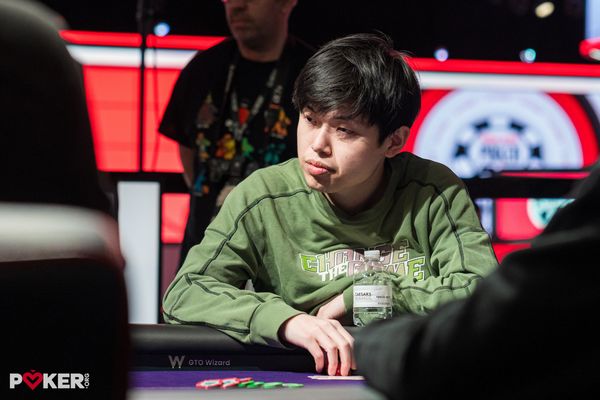
Honghao Zhang turned his first-ever World Series of Poker cash into a gold bracelet, capturing Event #13’s $1,500 Six-Max No-Limit Hold’em for $346,108. The Georgia Tech PhD student overcame a short stack at the final table through what he calls “patience” – waiting for opponents to make mistakes rather than forcing marginal situations.
What Happened
The 2026 WSOP saw one of its most impressive debut performances when Honghao Zhang navigated a field of 1,840 entries to claim his first bracelet in Event #13. The tournament featured a $2,442,600 prize pool, with 276 players reaching the money.
Zhang entered the final table near the bottom of the chip counts, watching as pre-tournament favorite Justin Arnwine busted in eighth place after surrendering an early double-up. The Georgia Tech student remained patient through the early eliminations, eventually finding himself three-handed as the short stack.
His fortunes shifted dramatically when he hit a runner-runner flush against David Rees, vaulting him back into contention and setting up heads-up play against Harlan Karnofsky of Sacramento. Despite Karnofsky’s determined effort – playing through a broken leg – Zhang eventually sealed victory with ace-five, earning $346,108 while Karnofsky collected $230,626 for second place.
The Poker Strategy Breakdown
Zhang’s approach to tournament poker reveals a fundamental truth often lost on recreational players: patience trumps aggression when you lack positional or stack advantages. His self-described strategy of “not fighting for borderline spots” demonstrates advanced ICM awareness and hand selection discipline.
The critical hand against David Rees exemplifies how tournament poker rewards survival first, accumulation second. While hitting a runner-runner flush involves obvious luck, Zhang’s willingness to see the hand through – likely getting proper odds to continue – shows he wasn’t forcing action with marginal holdings. This approach kept him alive long enough to catch the cards he needed.
Zhang’s heads-up strategy against Karnofsky showed adaptability. After grinding through short-stack play at the final table, he shifted gears once holding a competitive stack. The final hand with ace-five suggests he was applying pressure appropriately, understanding that heads-up play requires wider ranges and more aggressive action than multi-way pots.
What makes Zhang’s win particularly instructive is his admission that he “mainly plays cash games” and considers himself relatively new to tournaments. Cash game players often struggle with tournament adjustments because they’re accustomed to deep stacks and consistent blind levels. Zhang’s success suggests he made the critical mental shift: understanding that tournament survival requires folding hands that would be profitable in cash games.
His focus on “identifying opponent mistakes” rather than making hero plays demonstrates a defensive mindset that serves tournament players well. In six-max formats especially, where action comes faster and decisions are more frequent, avoiding marginal situations prevents the slow bleed that eliminates most players.
Reading The Field & Table Dynamics
The final table dynamics reveal important lessons about how tournament momentum shifts. Justin Arnwine entered the final day with one of the dominant stacks but busted in eighth after an early double-up went against him. This illustrates a crucial tournament concept: chip lead means nothing if you can’t protect it.
Arnwine’s exit likely resulted from overplaying his stack advantage. When you’re the chip leader, opponents become more willing to gamble against you because busting doesn’t end their tournament. The best final table strategy with a big stack involves selective aggression – applying pressure to medium stacks while avoiding unnecessary confrontations with short stacks who have nothing to lose.
Zhang’s short-stack play demonstrates superior ICM understanding. Rather than making desperate moves, he waited for legitimate opportunities. This patience allowed bigger stacks to clash with each other, creating elimination opportunities that moved him up the pay ladder without risking his tournament life.
The three-handed dynamic shifted everything. With only two opponents remaining, Zhang could no longer afford pure patience. His willingness to get involved with hands like the one against Rees shows he recognized the strategic shift. Three-handed play requires wider ranges and more aggression because blinds rotate faster and antes eat stacks quickly.
Karnofsky’s performance despite a broken leg speaks to mental toughness, but it also raises questions about physical discomfort affecting decision-making. Pain and medication can impact focus and risk tolerance. Zhang may have recognized this edge, though he never mentioned it as a factor.
How To Apply This To Your Game
Zhang’s approach offers several actionable lessons for tournament players at all levels. First, recognize when you’re outmatched positionally or in stack depth. Many players lose tournaments by defending blinds too liberally or calling raises out of position with marginal hands. If you’re short-stacked, tighten your calling ranges and look for spots to move all-in rather than playing post-flop poker at a disadvantage.
Second, study your opponents’ tendencies before making marginal decisions. Zhang emphasized identifying mistakes rather than making brilliant plays. This means paying attention when you’re not in hands. Does the player in the cutoff raise too wide? Does the big blind defend too loose? These observations inform your decisions when you’re actually involved in pots.
Third, adjust your strategy based on stack sizes and tournament stage. The hands you play with 100 big blinds differ dramatically from your 20-big-blind range. When short, focus on hands that play well all-in – big cards and pocket pairs gain value while suited connectors lose it. When deep, you can play more speculative hands that flop big or nothing.
Fourth, embrace variance in tournaments. Zhang’s runner-runner flush was lucky, but he was in position to benefit from luck because he hadn’t punted his stack on marginal spots earlier. Tournament poker rewards players who stay alive long enough to get lucky. You can’t win without some fortune, but you control how many opportunities you give yourself.
Finally, don’t underestimate the value of live tournament experience. Zhang accumulated nine WSOP Circuit cashes before his bracelet win, mostly at Cherokee – a convenient three-hour drive from Georgia Tech. He didn’t show up at the WSOP cold; he built his tournament game through consistent practice at smaller buy-ins. This progression from Circuit events to WSOP success provides a roadmap for aspiring players.
Key Takeaways
- Patience beats aggression when short-stacked: Zhang avoided marginal spots at the final table, waiting for legitimate opportunities rather than forcing action
- Chip leads are fragile: Justin Arnwine’s early exit despite a dominant stack shows that big stacks require careful management, not reckless aggression
- Adjust to table dynamics: Zhang shifted from tight play at the final table to more aggressive three-handed action, showing strategic flexibility
- Cash game skills transfer with adjustments: Zhang’s cash game background helped, but his tournament success came from recognizing the differences in optimal strategy
- Circuit events build WSOP skills: Nine Circuit cashes prepared Zhang for the WSOP pressure, proving that smaller tournaments develop crucial experience
- ICM awareness trumps chip accumulation: Understanding when to fold profitable hands because of pay jump implications separates good tournament players from great ones
Frequently Asked Questions
How did Honghao Zhang prepare for his first WSOP?
Zhang built his tournament experience through nine WSOP Circuit cashes, primarily at Cherokee Casino, which is about three hours from Georgia Tech where he’s pursuing his PhD. This consistent practice at smaller buy-in events prepared him for the pressure and dynamics of WSOP final tables. His background as a cash game player also provided strong fundamentals, though he emphasized learning tournament-specific adjustments like patience and ICM considerations.
What is the key strategic difference between six-max and full-ring tournaments?
Six-max tournaments require wider starting hand ranges and more aggressive play because you’re in the blinds more frequently. With only six players, you can’t wait for premium hands as long as you can in nine-handed games. Position becomes even more critical, and the pace of play demands quicker decision-making. Zhang’s patience strategy worked because he understood when to be tight (short-stacked at the final table) versus when to open up his game (three-handed play).
How should short stacks approach final table play?
Short stacks should focus on survival first, looking for spots to double up rather than slowly bleeding chips. This means tightening your calling ranges but being willing to move all-in with hands that have decent equity. Avoid calling raises out of position with marginal hands – either fold or re-raise all-in. Watch for opportunities when bigger stacks clash, as these eliminations move you up the pay ladder without risking your chips. Zhang exemplified this approach by staying patient until his three-handed opportunity emerged.
Final Thoughts
Honghao Zhang’s maiden WSOP victory represents more than a Cinderella story. It’s a masterclass in tournament fundamentals executed under pressure. His emphasis on patience and mistake identification over hero plays offers a blueprint for players transitioning from cash games or building their tournament resumes through smaller events.
The path from Georgia Tech PhD student to WSOP champion wasn’t accidental. Zhang put in the work at Circuit events, traveled regularly to Cherokee for live experience, and clearly studied tournament strategy beyond what his cash game instincts provided. His willingness to fold marginal spots while short-stacked, then shift gears three-handed, demonstrates the strategic flexibility that defines successful tournament players.
Perhaps most encouraging for aspiring players: Zhang isn’t finished. His post-win comment – “I’m going to fight for one more” – suggests this bracelet represents a beginning rather than a peak. With over $719,000 in career earnings now and a taste for tournament success, the Georgia Tech student may become a regular face at WSOP final tables. For now, his debut performance stands as proof that patience, preparation, and recognizing opponent mistakes can overcome chip disadvantages and tournament inexperience.
Ready to Sharpen Your Poker Game?
Master your poker game with expert hand analysis