Ryan Depaulo’s WSOP Strategy: Balancing Fatherhood & Poker
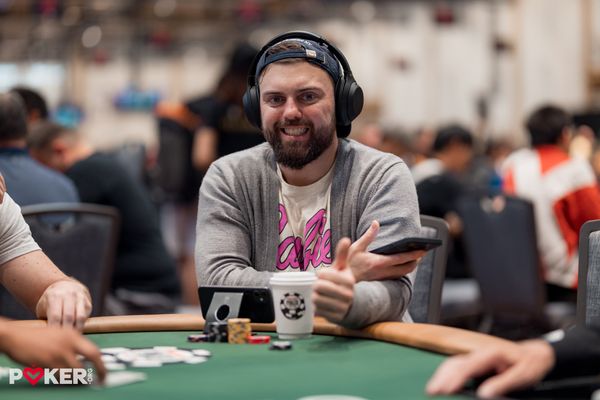
Ryan Depaulo is tackling the 2026 World Series of Poker with an unconventional entourage: his infant daughter, a full production team, and a commitment to documenting every moment. The CoinPoker ambassador and YouTube content creator is redefining what it means to grind poker’s biggest summer while maintaining family priorities and creating compelling content for his growing audience.
What Happened
The 2026 WSOP kicked off on May 26th, and Depaulo arrived in Las Vegas with more than just poker chips on his mind. Unlike many grinders who isolate themselves for the summer-long grind, he’s brought his wife and baby daughter to Nevada, determined to avoid the months-long separation that typically defines WSOP season for touring professionals.
His preparation extended far beyond studying GTO charts. Depaulo spent weeks coordinating family accommodations, assembling a two-editor video production pipeline, and shifting his strategic focus from online play to live exploitation. The goal? Sustain a full WSOP schedule while documenting the journey through his popular Degen Debrief Report YouTube series.
The logistics alone are staggering. Managing infant care schedules, tournament entries, content filming, and the mental demands of high-level poker requires a level of organization that most players never consider. Depaulo has embraced the chaos, viewing his daughter’s presence not as a distraction but as motivation to structure his time more efficiently.
His content creation approach has evolved significantly. Where previous vlogs relied heavily on improvisation and reactive filming, this year’s WSOP coverage involves pre-planned segments, collaborative brainstorming sessions, and a professional editing workflow designed for rapid turnaround. The production value reflects poker content’s maturation as a legitimate media category.
The Poker Strategy Breakdown
Depaulo’s strategic preparation reveals a sophisticated understanding of the fundamental differences between online and live tournament poker. While many players treat the formats interchangeably, he’s deliberately recalibrated his approach for the live arena.
His study regimen shifted from pure solver work to collaborative hand discussions focused specifically on live exploits. This distinction matters enormously. Online poker’s anonymity and HUD-driven gameplay create one competitive environment; live poker’s physical tells, speech play, and table image dynamics create something entirely different.
The admission that he and his study group “know the charts well enough” speaks to a mature strategic philosophy. At the highest levels, everyone understands baseline GTO frequencies. The edge comes from recognizing when and how to deviate based on opponent tendencies, table dynamics, and live-specific information.
Live exploits operate on different timescales than online adjustments. In digital poker, you might gather hundreds of hands on an opponent within hours. Live, you’re extracting maximum value from limited sample sizes—reading bet sizing tells, timing patterns, verbal cues, and physical demeanor to make exploitative adjustments with far less data.
Depaulo’s emphasis on “paying more attention to what’s going on at the table” addresses a common leak among online-to-live transitioning players. The temptation to zone out between hands, check phones, or mentally disengage costs valuable information. Live poker rewards constant observation, even when you’re not in the hand.
His recent tournament experience provides crucial preparation. The WSOP Prague trip and Bahamas series offered high-level live competition against international fields. These reps matter—not just for strategic refinement, but for physical stamina, mental endurance, and the social navigation that defines live poker success.
Reading The Field & Table Dynamics
The WSOP presents unique field dynamics that differ dramatically from regional circuit events or online tournaments. Understanding these nuances separates deep runs from early exits.
Early WSOP events attract recreational players who’ve saved all year for their Vegas pilgrimage. These fields play differently than mid-summer tournaments populated primarily by professionals. Recognizing which events offer the softest competition requires understanding the WSOP calendar’s rhythmic patterns.
Table image becomes exponentially more important in live poker, particularly when you’re simultaneously creating content. Depaulo’s recognizability as a YouTube personality creates interesting strategic implications. Some opponents might play cautiously against a “known pro,” while others might try to make a name for themselves with aggressive plays.
The presence of camera equipment introduces another dynamic layer. Some players freeze up or alter their natural game when being filmed. Others perform for the camera. A savvy player can exploit these behavioral shifts, identifying who becomes more conservative or aggressive under the lens.
Physical stamina matters more than online grinders often anticipate. Twelve-hour tournament days while managing infant care schedules and content production demands create fatigue that impacts decision quality. Depaulo’s willingness to bring family rather than grind in isolation suggests he’s prioritizing sustainable performance over maximum volume.
The delayed Main Event final table—a format change Depaulo specifically praised—creates different strategic considerations. Players reaching the final nine can study opponents, prepare specific strategies, and arrive fresh rather than exhausted from the multi-day grind. This benefits prepared, studious players over pure instinct players.
How To Apply This To Your Game
Depaulo’s approach offers several actionable lessons for players at all levels, whether you’re planning your own WSOP run or simply looking to improve your live tournament results.
Separate your preparation by format. Don’t assume online study translates directly to live success. Dedicate specific study time to live-specific situations: physical tells, bet sizing patterns that differ from online norms, and the social dynamics of table talk. Join a study group that focuses on live exploitation rather than pure solver work.
Prioritize observation over entertainment. Put the phone away. Between hands, watch how opponents handle chips, how they react to others’ bets, and what they discuss. These seemingly minor details accumulate into exploitable patterns. The player who checks Instagram between every hand is leaving money on the table.
Structure your schedule sustainably. The WSOP marathon rewards endurance, not just skill. If bringing family helps you maintain mental freshness and avoid burnout, the logistical complexity is worth it. Conversely, if you need isolation to focus, don’t feel pressured to make your poker trip a family vacation.
Develop a pre-tournament routine. Whether it’s hand review, meditation, exercise, or family time, establish rituals that put you in optimal mental state. Depaulo’s structured approach to video production, editing timelines, and family logistics creates predictability that reduces stress.
Recognize when volume hurts more than it helps. The temptation to play every event can lead to exhausted, suboptimal play. Selective scheduling—choosing events based on field strength, structure, and your mental/physical state—often produces better results than maximum volume.
Leverage your table image. If you’re known as a content creator, recreational player, or aggressive regular, understand how opponents perceive you and adjust accordingly. Sometimes playing into your image is correct; sometimes subverting it creates maximum exploitation.
Key Takeaways
- Live poker demands different preparation than online play, with emphasis on physical tells, bet sizing patterns, and table dynamics rather than pure solver memorization
- Sustainable scheduling beats maximum volume—bringing family to avoid burnout can improve performance quality even if it reduces total events played
- Constant table observation provides exploitable information that distracted players miss, creating edges beyond pure strategic knowledge
- Content creation and poker can coexist productively when properly structured, but require deliberate systems for video production, editing, and time management
- The WSOP’s return to ESPN broadcast and delayed Main Event final table benefits prepared players who study opponents and develop specific strategies
- Balancing poker with life responsibilities requires intentional logistics planning, from accommodations to childcare to mental recovery time
Frequently Asked Questions
How does preparing for live poker differ from online poker preparation?
Live poker preparation should emphasize exploitative adjustments based on physical tells, bet sizing patterns, and opponent tendencies observable at the table. While GTO fundamentals remain important, live poker rewards players who can extract maximum information from limited sample sizes through observation. Focus on studying live-specific situations like speech play, timing tells, and the social dynamics that don’t exist online. Collaborative hand discussions with experienced live players often provide more value than pure solver grinding.
Should recreational players bring family to the WSOP?
It depends entirely on your priorities and how family presence affects your mental game. If family time helps you avoid burnout, maintain perspective, and play fresher poker, the logistical complexity is worthwhile. However, if you need complete focus and isolation to perform optimally, a family trip might create more stress than benefit. Consider a hybrid approach: bring family for part of the summer, or schedule specific family days between tournament clusters. The key is honest self-assessment about what helps you play your best poker.
What are the most important live poker tells to watch for?
Focus on consistency patterns rather than single tells. Watch how opponents handle chips when strong versus weak, their betting motion speed, and whether timing changes with hand strength. Verbal patterns matter—some players talk when nervous, others when confident. Post-bet behavior is crucial: do they freeze after bluffing or immediately reach for chips when value betting? The most reliable tells come from observing baseline behavior, then noting deviations. Remember that tells are player-specific; what indicates strength in one opponent might signal weakness in another.
Final Thoughts
Ryan Depaulo’s approach to the 2026 WSOP represents poker’s evolution beyond the isolated grinder stereotype. By integrating family, content creation, and competitive poker into a cohesive system, he’s demonstrating that sustainable success doesn’t require sacrificing everything else in your life. The key lies in deliberate structure—knowing when to focus intensely on poker and when to recharge through other priorities.
His strategic emphasis on live-specific preparation rather than generic study highlights an important truth: edges in modern poker come from specialization. Everyone has access to solvers and training sites. The players who succeed are those who understand their specific competitive environment and prepare accordingly. For the WSOP, that means mastering live dynamics, managing physical and mental stamina, and exploiting the unique field compositions that define poker’s biggest summer.
Whether you’re planning your own WSOP adventure or simply looking to improve your local live tournament results, the principles remain consistent. Prepare specifically for your format, observe constantly, manage your energy sustainably, and remember that poker success integrates with life success rather than replacing it. The cards will always be there—make sure you’re in optimal condition to play them well.
Ready to Sharpen Your Poker Game?
Master your poker game with expert hand analysis