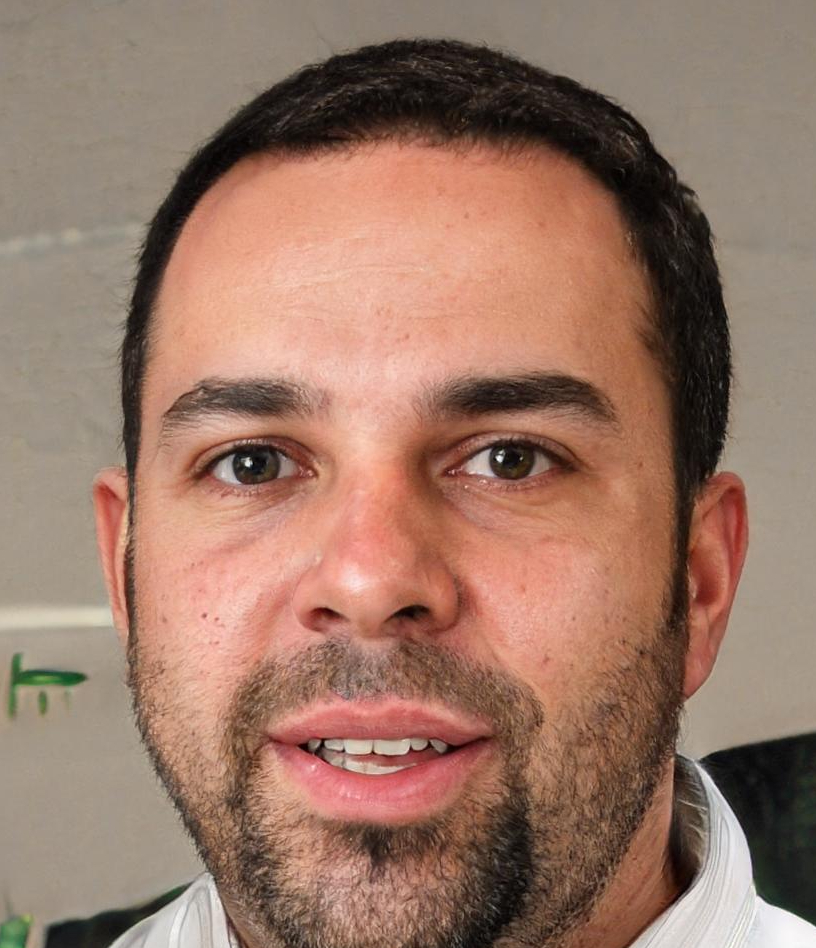
Urbanovich Wins First Bracelet After Fantasy Draft Snub
Dzmitry Urbanovich captured his long-awaited first WSOP bracelet in the $10,000 8-Game Championship, banking $431,260 and proving fantasy players wrong in the first year he went undrafted. The Polish pro outlasted a stacked final table featuring Brian Rast and Alex Foxen to claim poker’s most coveted prize after eight previous final table appearances without a win.
What Happened
The $10,000 8-Game Championship attracted one of the toughest fields of the summer, testing players across multiple poker disciplines. When the final table assembled, big names dominated the chip counts with Brian Rast and Alex Foxen holding commanding positions.
Despite starting the final day outside the top two, Urbanovich methodically worked his way through the field. Matt Vengrin hit the rail in sixth place, continuing an impressive series that included a runner-up finish in the $2,500 Big Bet Mix and a ninth-place result in the $10K Stud 8 or Better Championship.
Foxen’s fifth-place elimination secured him the WSOP Player of the Year lead, though falling short of the bracelet had to sting given his chip position earlier in the day. Rast followed in fourth, leaving three players to battle for the title.
The final three created an interesting geographic dynamic—two Chicago-area players in Richard Bai and Derek Hanauer facing off against Poland’s Urbanovich. After staying patient through much of the final table, Urbanovich shifted gears when the field thinned.
The turning point came in a massive Pot-Limit Omaha hand where Urbanovich caught Hanauer bluffing, scooping a 4-million-chip pot to seize control. He extended his advantage in Stud 8 or Better, making an eight-high straight against Bai to build a nearly 4-to-1 chip lead over his combined opponents.
Bai eliminated Hanauer to reach heads-up play but faced a severe 4-to-1 deficit. The gap never closed, and Urbanovich sealed his first bracelet victory in under an hour of heads-up action. For a player who’s been grinding the WSOP since turning 21 and playing poker since age 12, the win represented validation after years of near-misses.

The Poker Strategy Breakdown
Eight-game mix events demand exceptional versatility and the ability to shift strategic gears constantly. Unlike single-discipline tournaments where you can master one game, mixed events require proficiency across Limit Hold’em, Omaha Hi-Lo, Razz, Seven-Card Stud, Stud Hi-Lo, No-Limit Hold’em, Pot-Limit Omaha, and 2-7 Triple Draw.
Urbanovich’s patient approach early at the final table demonstrated sophisticated tournament awareness. With elite players like Rast and Foxen holding chips, creating confrontations wasn’t necessary. In mixed games, variance runs higher than Hold’em-only events, so letting aggressive players clash while preserving your stack is often optimal.
The crucial PLO hand against Hanauer showcased advanced hand reading. Catching a bluff in a 4-million-chip pot requires confidence in your read and willingness to trust your instincts. In PLO, the pot grows quickly, and making correct calls when you sense weakness separates elite players from good ones.
PLO bluff-catching requires analyzing betting patterns across all streets. Did your opponent’s bet sizing make sense for the strength they’re representing? Are they capable of this line with air? Urbanovich’s online background—where he’s crushed high-stakes games for years—gave him extensive experience in these spots.
The Stud 8 or Better hand that extended his lead illustrated another crucial mixed-game concept: understanding when you’re getting proper odds to chase low hands while maintaining equity for high. An eight-high straight in Stud 8 represents a powerful holding, especially when you can scoop both high and low portions of the pot.
In split-pot games, the ability to scoop separates winning players from break-even ones. Chasing one-way hands drains chips over time, while hands with two-way potential create profitable situations. Urbanovich’s timing in building this pot demonstrated understanding of when his hand warranted aggression.
Heads-up play in mixed games requires adjusting strategy for each discipline. Some games favor the chip leader more than others. In Limit variants, the short stack has more playability than in No-Limit Hold’em. Urbanovich’s quick finish suggests he applied maximum pressure in the big-bet games while maintaining discipline in limit formats.
Reading The Field & Table Dynamics
Final table dynamics shifted dramatically as big names departed. With Rast and Foxen holding chips early, ICM pressure affected the shorter stacks differently. Players with medium stacks often tighten up, hoping others bust first to secure pay jumps.
Urbanovich recognized this dynamic and avoided marginal confrontations early. When you’re facing multiple world-class opponents, patience becomes a weapon. Let them battle while you wait for premium situations or until the field thins.
The departure of Foxen and Rast changed everything. These players command respect—when they’re in a hand, you need legitimate strength to continue. Once they exited, Urbanovich could expand his range and apply pressure to the remaining opponents.
Against Bai and Hanauer, Urbanovich held an experience edge in mixed games. While both are accomplished players—Bai has won two Circuit Main Events—the 8-Game format favored someone with Urbanovich’s extensive online mixed-game background.
The heads-up chip advantage created a mathematical stranglehold. Starting 4-to-1 down in a mixed-game event makes mounting a comeback extremely difficult. Unlike No-Limit Hold’em, where you can double up quickly, limit games require grinding back slowly, and the chip leader can apply relentless pressure.
Urbanovich’s aggressive heads-up approach prevented Bai from finding comfortable spots. In mixed games, the chip leader can play nearly every hand in certain disciplines, forcing the short stack into difficult decisions without premium holdings.
How To Apply This To Your Game
The first lesson from Urbanovich’s victory is the value of patience in tournament poker. When facing tough competition early at a final table, you don’t need to force action. Preserve chips, wait for premium situations, and let aggressive players create confrontations with each other.
Study multiple poker disciplines if you want to compete in mixed events. These tournaments offer softer fields relative to No-Limit Hold’em because many players lack proficiency in all variants. Investing time in Stud games, draw poker, and limit formats creates edges unavailable in Hold’em-only events.
Develop your bluff-catching abilities by analyzing opponent tendencies and betting patterns. When someone’s line doesn’t make sense, trust your read. Review hands where you folded to suspected bluffs and evaluate whether you had sufficient information to call.
In split-pot games, prioritize hands with scooping potential. Chasing one-way lows or highs leads to long-term losses. Look for starting hands that can develop in both directions, and understand when you’re freerolling—guaranteed to win at least half the pot with equity for the scoop.
When you gain a significant chip lead late in tournaments, use it aggressively. Many players coast with big stacks, but applying maximum pressure forces opponents into mistakes. In mixed games especially, the chip leader can play extremely wide ranges in certain disciplines.
Don’t let external factors like fantasy drafts or expectations affect your game. Urbanovich made clear he plays for himself, not fantasy owners. This mental independence is crucial—your poker decisions should be based on strategy and profit, not outside opinions or pressure.
Key Takeaways
- Dzmitry Urbanovich won his first WSOP bracelet in the $10,000 8-Game Championship, earning $431,260 after eight previous final tables without a victory
- Patient play early at the final table allowed Urbanovich to survive while big names like Brian Rast and Alex Foxen eliminated each other
- A crucial PLO bluff-catch against Derek Hanauer for 4 million chips shifted momentum and gave Urbanovich the chip lead
- Mixed-game events require proficiency across eight poker disciplines, creating edges for versatile players over specialists
- Urbanovich went undrafted in 25K Fantasy for the first time in eight years, having previously sold for as high as $85
- Alex Foxen’s fifth-place finish moved him into the WSOP Player of the Year lead despite missing the podium
Frequently Asked Questions
What games are played in the 8-Game Championship?
The WSOP 8-Game Championship rotates through eight poker variants: Limit Hold’em, Omaha Hi-Lo 8 or Better, Razz, Seven-Card Stud, Stud Hi-Lo 8 or Better, No-Limit Hold’em, Pot-Limit Omaha, and 2-7 Triple Draw Lowball. The game changes every orbit, testing players’ versatility across multiple disciplines. This format is considered one of the truest tests of poker skill since it requires mastery of both limit and big-bet games, high-only and split-pot variants, and different draw and stud structures.
Why did Urbanovich go undrafted in 25K Fantasy?
After being drafted in 25K Fantasy for seven consecutive years at prices ranging up to $85, Urbanovich went undrafted in 2026. He indicated that when fantasy teams asked about his schedule, his plans didn’t satisfy them—he mentioned playing tournaments at other casinos around Las Vegas rather than focusing exclusively on the WSOP. Fantasy owners likely viewed his schedule as too unpredictable or limited compared to other options. Urbanovich made clear he doesn’t participate in the draft process and plays for himself, not fantasy players.
How many WSOP final tables did Urbanovich make before winning his first bracelet?
Urbanovich reached eight WSOP final tables before finally capturing his first bracelet in the $10,000 8-Game Championship. He had two previous runner-up finishes, making his victory even more meaningful after multiple close calls. Having played poker since age 12 and attended the WSOP since turning 21, Urbanovich admitted he expected to win more bracelets by this point in his career. His victory adds WSOP hardware to an already impressive resume that includes nearly $8 million in career tournament earnings and the second spot on Poland’s all-time money list.
Final Thoughts
Urbanovich’s breakthrough victory demonstrates that persistence pays off in tournament poker. Eight final tables without a win would discourage many players, but he continued grinding until the breakthrough came. His patient approach at the final table, followed by aggressive play when opportunities emerged, provides a blueprint for navigating tough fields.
The mixed-game format suited Urbanovich’s diverse skill set perfectly. While many modern players focus exclusively on No-Limit Hold’em, developing proficiency across multiple poker variants creates valuable edges. As the poker economy evolves and Hold’em games get tougher, mixed events offer opportunities for well-rounded players to shine against fields that include specialists uncomfortable outside their primary discipline.
Whether fantasy owners regret passing on Urbanovich this year remains to be seen, but his message was clear—he plays poker for himself, not for draft boards. That mental independence, combined with world-class skill across eight poker variants, makes him a threat in any mixed-game event going forward. With his first bracelet secured and nearly $8 million in career earnings, Urbanovich has cemented his place among poker’s elite, and this victory likely won’t be his last.
Ready to Sharpen Your Poker Game?
Master your poker game with expert hand analysis