Your Complete Guide to Streaming the 2026 WSOP Main Event
The 2026 World Series of Poker Main Event kicks off July 2nd with comprehensive streaming coverage spanning five weeks until a champion is crowned on August 5th. Whether you’re watching from Nevada or navigating international broadcast rights, multiple viewing options ensure you won’t miss poker’s most prestigious tournament as it unfolds.
What Happened
The WSOP Main Event remains the crown jewel of tournament poker, and 2026 promises exceptional drama with an anticipated prize pool pushing the winner past $10 million. Starting July 2nd, the tournament will grind through eight days of play before reaching the final nine on July 13th. Those finalists then face a three-week wait before battling across three days beginning August 3rd for poker’s most coveted bracelet.
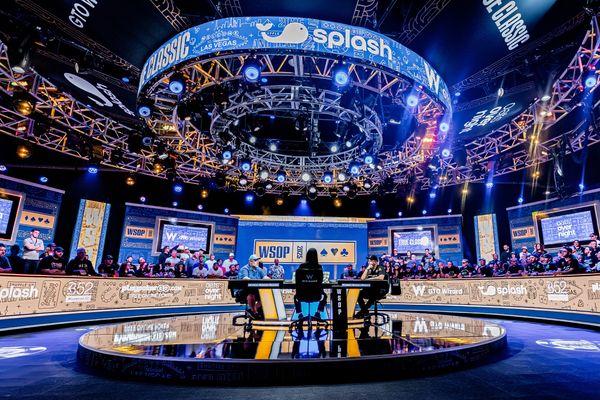
ESPN returns as the primary broadcaster for US audiences, deploying their signature production setup complete with feature tables, professional lighting rigs, and atmosphere-enhancing effects that have defined Main Event coverage for over two decades. Norman Chad and Lon McEachern continue their legendary commentary partnership, providing the soundtrack to poker’s biggest moments since the Moneymaker boom.
International viewers gain access through Warner Bros Discovery’s network, with Eurosport, TNT Sports, and HBO Max delivering coverage across Europe, Asia, and Latin America. The broadcast strategy splits between daily livestreams during the opening days and condensed highlight packages, culminating in live final table coverage that brings the tournament to its conclusion.
The Poker Strategy Breakdown
Watching the Main Event isn’t just entertainment—it’s a masterclass in tournament strategy spanning multiple stages of play. The early days showcase deep-stack poker where skilled players navigate 60,000 starting chips with blinds beginning at 100/200. This structure rewards patient, fundamentally sound play and provides ample room for sophisticated postflop maneuvering.
Days 1-3 reveal how professionals approach the opening stages differently than recreational players. Watch for pros taking calculated risks to build stacks early while maintaining survival equity. They’re balancing aggression with preservation, understanding that busting early means waiting another year, but playing too cautiously allows shorter stacks to accumulate chips through aggressive play.
The middle days present the tournament’s most crucial strategic phase. As blinds escalate and the money bubble approaches, stack sizes relative to blinds become critical. Players with 30-40 big blinds face different decisions than those with 80+ big blinds. The feature table coverage typically highlights these inflection points where medium stacks must choose between conservative survival and aggressive accumulation.
Pay attention to three-bet sizing and frequency adjustments as the tournament progresses. Early days see standard 2.5-3x opens with three-bets around 8-10 big blinds. As antes kick in and average stacks shrink relative to blinds, opens tighten to 2-2.5x and three-bets compress accordingly. These adjustments reflect changing risk-reward calculations as tournament life becomes more valuable.
The final table bubble on Day 8 provides perhaps the richest strategic content. With ten or eleven players remaining and only nine advancing to the filmed finale, short stacks employ survival tactics while big stacks apply maximum pressure. The dynamic creates fascinating situations where correct play contradicts standard tournament theory because of the massive pay jump and three-week break awaiting final tablists.
Reading The Field & Table Dynamics
Main Event coverage offers unique insights into reading opponents across different player types. The field mixes seasoned professionals, wealthy amateurs, online qualifiers, and once-a-year recreational players. Each group displays distinct patterns that observant viewers can catalog for their own games.
Professional players demonstrate consistent bet sizing, balanced ranges, and disciplined fold equity calculations. They’re rarely pot-committed unnecessarily and show willingness to fold strong hands when action indicates they’re beaten. Watch how pros like Daniel Negreanu or other featured players construct their betting lines across multiple streets, building pots with value hands while maintaining bluff combos in their ranges.
Recreational players often reveal their hand strength through inconsistent sizing and timing tells. A player who snap-calls the flop but tanks on the turn likely picked up a draw. Someone who bets half-pot on the flop then suddenly fires three-quarters pot on the turn probably hit their hand. These patterns appear repeatedly in Main Event coverage as less experienced players struggle with deception.
ICM pressure intensifies dramatically as the money bubble approaches and again at the final table bubble. Independent Chip Model considerations dictate that tournament chips lose value as you accumulate them and gain value as you lose them—especially near pay jumps. Watching how professionals navigate these spots reveals when to apply pressure and when to surrender equity for survival.
The final table presents unique dynamics because of the extended break. Players have three weeks to study opponents, review hand histories, and prepare specific strategies. This preparation shows in the opening levels as finalists execute pre-planned moves and counter-strategies. The dynamic differs markedly from the continuous grind of earlier days when players make real-time adjustments without extensive opponent research.
Stack distribution at the final table creates exploitable situations. A massive chip leader can bully medium stacks who can’t fight back without risking their tournament life. Meanwhile, short stacks become desperate, expanding their shoving ranges as blinds consume their chips. Big stacks must balance aggression against the risk of doubling up dangerous opponents.
How To Apply This To Your Game
Transform passive viewing into active learning by analyzing specific situations as they unfold. When a featured hand develops, pause before the action completes and decide what you’d do. Compare your decision to the player’s choice and consider why they might have taken a different line. This mental exercise builds decision-making skills applicable to your own tournaments.
Track how professionals adjust their opening ranges based on position and stack depth. Early in the tournament with deep stacks, they’re opening wider from the button and cutoff, playing more speculative hands like suited connectors and small pairs. As stacks shallow, their ranges tighten and shift toward high-card hands that perform better in all-in situations.
Study continuation betting patterns across different board textures. Dry boards like K-7-2 rainbow see high c-bet frequencies because few hands connect strongly. Wet boards like J-10-8 with two suits generate more check-backs as both ranges hit hard and the turn could dramatically shift equity. Notice how bet sizing adjusts based on whether the bettor wants calls or folds.
Pay special attention to river decisions, where the pot is largest and mistakes most costly. Professionals frequently make thin value bets with hands like second pair or weak top pair when they read opponents as capped and likely to call with worse. They also execute disciplined river folds with hands that beat only bluffs when the opponent’s line represents legitimate strength.
Observe bubble play strategies for your own tournament game. When approaching the money, tighten your opening ranges from early position but widen your stealing ranges from late position against opponents protecting their stacks. If you hold a big stack, identify medium stacks who can’t fight back and apply relentless pressure. If you’re short, look for spots to shove into players who’ll fold too often.
Document specific hands that confuse you or seem counterintuitive. After the broadcast, review these spots using poker software or discussion with more experienced players. Understanding why a pro made an unusual play often reveals sophisticated concepts that elevate your strategic thinking.
Key Takeaways
- ESPN+ streams Days 1-8 live starting July 2nd at $29.99/month, with the final table broadcast on ESPN and ESPN2 beginning August 3rd
- International viewers access coverage through Eurosport (Europe/Asia), TNT Sports (UK/Ireland), and HBO Max (Latin America) with highlight packages and live final table streaming
- The tournament structure rewards patient early play with 60,000-chip starting stacks, then demands aggression adjustments as blinds escalate and ICM pressure intensifies
- Professional players demonstrate consistent sizing, balanced ranges, and disciplined folding, while recreational players reveal hand strength through timing tells and sizing inconsistencies
- The three-week break before the final table allows extensive opponent study, creating a prepared, strategic battle different from the continuous grind of earlier days
- Active viewing—pausing to make your own decisions before seeing player actions—transforms entertainment into practical skill development for your tournament game
Frequently Asked Questions
Can I watch the WSOP Main Event for free in the United States?
The final table broadcasts live on ESPN and ESPN2 without requiring a subscription, airing August 3rd-5th. However, the daily livestreams from Days 1-8 (July 2-13) require an ESPN+ subscription at $29.99 monthly. Highlight shows air on ESPN2 starting July 21st and are available to anyone with cable or streaming access to that channel.
What’s the best way to learn tournament strategy from watching the Main Event?
Pause coverage when significant decisions arise and determine your action before seeing what the player does. Compare your choice to theirs and analyze why they might have chosen differently. Focus on patterns rather than individual hands—track how pros adjust opening ranges by position, modify bet sizing across streets, and navigate ICM pressure near bubble situations. Take notes on confusing spots and review them later with software or study groups.
How does the three-week break affect final table strategy?
The extended break allows finalists to extensively study opponents’ playing styles, tendencies, and hand histories from earlier days. This preparation creates a more strategic, less reactive final table where players execute pre-planned adjustments and counter-strategies. Expect tighter play initially as everyone respects opponents’ preparation, followed by aggressive moves as players probe for weaknesses in opponents’ studied strategies.
Final Thoughts
The 2026 WSOP Main Event offers more than entertainment—it’s an intensive educational opportunity for serious players. Five weeks of coverage spanning multiple tournament stages provides a comprehensive look at how poker’s best navigate the world’s most prestigious event. From deep-stack play in the opening days to desperate short-stack shoves at the final table bubble, every phase presents strategic lessons applicable to your own game.
The accessibility of this year’s coverage, whether through ESPN+ in the US or international broadcasts via Warner Bros Discovery networks, ensures that geographic location won’t prevent you from witnessing poker history. More importantly, it guarantees access to the strategic masterclass that unfolds whenever the world’s best players compete for life-changing money and eternal glory.
Don’t just watch passively. Engage actively with the coverage, question decisions, and analyze spots that challenge your understanding. The gap between recreational and professional play isn’t talent—it’s thousands of hours of deliberate practice and study. The Main Event broadcast hands you that study material on a silver platter. Use it wisely, and you’ll find your own tournament results improving as you internalize the patterns and principles displayed on poker’s biggest stage.
Ready to Sharpen Your Poker Game?
Master your poker game with expert hand analysis