Okamoto’s Quiet Dominance: WSOPE Main Event Bubble Analysis
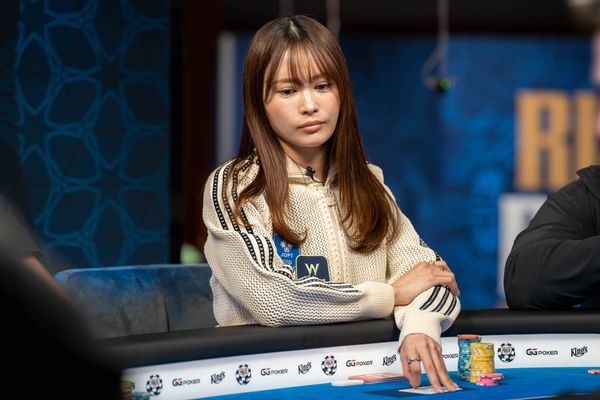
The 2026 WSOPE Main Event bubble burst with 356 players locking up €10,000 min-cashes from a record-shattering €13,085,000 prize pool. While Martin Kabrhel made headlines with his usual antics, Shiina Okamoto demonstrated the power of controlled aggression—building a 982,000 stack through disciplined play that offers valuable lessons for tournament grinders.
What Happened
Day 2 of the WSOPE Main Event in Prague concluded after six intense 90-minute levels, with Daan Mulders delivering the bubble-bursting knockout just 22 minutes before bags came out. Mulders, holding the second-largest stack in the room, called a 107,000 all-in shove from Symeon Alexandridis in the hijack position. With ace-king suited against Alexandridis’s pocket nines, Mulders connected on the runout to send the Greek player to the rail in 357th place.
The bubble drama included an additional wrinkle: Shaun Deeb sat all-in at another table holding pocket sevens. Had Deeb lost his hand, he and Alexandridis would have split the first min-cash. Deeb survived, then remarkably spun his short stack to 689,000 in the final twenty minutes of play—a masterclass in bubble exploitation.
Thomas Eychenne seized the overnight chip lead with 2,010,000, capitalizing on the post-bubble elimination frenzy. The field included poker royalty like 2007 WSOPE champion Annette Obrestad, who ran her short stack to 581,000 despite an eight-year absence from competitive poker. Jeff Madsen sat 18th with 1,016,000, while Eugene Katchalov, Josh Arieh, and Roberto Romanello all bagged healthy stacks above 800,000.
The tournament attracted such massive interest that ‘Texas’ Mike Moncek fired twelve maximum bullets across three Day 1s and the first two levels of Day 2—only to miss the money entirely. His aggressive re-entry strategy exemplifies the high-variance approach some players employ in major championships, though it didn’t pay dividends this time.
The Poker Strategy Breakdown
Okamoto’s approach on Day 2 showcased textbook tournament poker with subtle aggression. Her 982,000 stack didn’t materialize through flashy hero calls or massive bluffs—it came from steady accumulation and well-timed pressure. One hand perfectly illustrated both her strengths and the mental challenges even elite players face.
In a 91,000 pot, Okamoto made an exceptional call with bottom pair against an opponent’s aggressive line. The call itself demonstrated elite hand-reading ability—identifying that her opponent’s betting pattern indicated weakness rather than strength. However, when her opponent confidently tabled king-high, Okamoto mucked her winning hand, believing she was beaten. “First time,” she admitted with an embarrassed smile, while tablemates reassured her that such mistakes happen to everyone.
This moment reveals critical tournament psychology. Even world-class players can fall victim to opponent confidence and table talk. The opponent’s assured manner when tabling their hand created false certainty in Okamoto’s mind. In big-field tournaments where fatigue sets in after lengthy sessions, these mental lapses become more common. The key differentiator between good and great players isn’t avoiding mistakes entirely—it’s minimizing their frequency and impact.
Meanwhile, a fascinating pot between Jans Arends and Johan Espholm demonstrated pure heart over hand strength. With blinds creating meaningful pressure, Espholm check-called 28,000 on a queen-high flop, then led out 28,000 on the turn. Arends raised to 105,000, and Espholm called. When Espholm checked the river, Arends tanked extensively before folding. Espholm showed pocket fives—essentially a bluff-catcher that he’d turned into a bluff himself on the turn. Arends later admitted he would have folded to a river bet, meaning Espholm left chips on the table by checking.
This hand illustrates advanced tournament concepts. Espholm’s turn lead represented strength, but his sizing (small relative to pot) suggested he wanted action. Arends’s raise indicated either a strong hand or a semi-bluff with equity. When Espholm just called rather than three-betting, he capped his range. On the river, Espholm’s check theoretically signals weakness, but Arends—holding a bluff himself—couldn’t pull the trigger. Both players were essentially playing chicken, and the more aggressive player throughout the hand claimed the pot without showdown.
Reading The Field & Table Dynamics
Bubble dynamics create unique strategic opportunities that separate skilled tournament players from the field. As the money bubble approached, players with medium stacks faced the classic dilemma: preserve their stack to secure a min-cash or apply pressure to accumulate chips for a deep run. Deeb’s post-bubble stack explosion from survival mode to 689,000 demonstrates the latter approach’s power.
Once the bubble bursts, a predictable pattern emerges. Short stacks who were nursing their chips suddenly look for spots to double up. Medium stacks who played conservatively on the bubble return to normal ranges. Big stacks can continue applying pressure but must adjust to opponents’ newfound willingness to gamble. The “wave of eliminations” following Alexandridis’s exit reflects this dynamic perfectly—players who folded premium hands on the bubble suddenly called all-ins with marginal holdings.
Kabrhel’s presence on the feature table introduced another variable: pace of play. His lengthy argument with tournament director Andy Tillman over whether Shqiptare Varaku’s forward chip motion constituted a call consumed ten minutes of playing time. While frustrating for tablemates, such delays can benefit patient players who avoid tilt and maintain focus. Kabrhel’s antics—whether strategic or personality-driven—create an uncomfortable environment that causes some opponents to make mistakes.
Obrestad’s impressive comeback after eight years away from poker speaks to fundamental skill retention. Tournament poker strategy has evolved significantly since 2007, with solvers and GTO concepts now dominating discussion. Yet Obrestad’s ability to build her stack suggests that core skills—hand reading, position awareness, bet sizing—remain timeless. Her success should encourage returning players that poker fundamentals don’t expire, even if optimal strategies shift at the margins.
How To Apply This To Your Game
Okamoto’s bottom-pair mistake offers the first actionable lesson: never muck your hand until you’re certain you’re beaten. In tournament poker, always wait for the dealer to read both hands and award the pot. The few seconds this takes could save you from costly errors when fatigue clouds judgment. If you make an excellent call, trust your read through showdown rather than letting opponent behavior influence you.
Second, study the Arends-Espholm hand for lessons in aggression. Espholm’s turn lead after checking the flop is a powerful line that represents strength while maintaining deception. However, his river check after getting called on the turn signals he’s given up. When you take this aggressive line, commit to firing the river when your opponent shows weakness by just calling rather than raising. Incomplete bluffs waste chips and miss value.
Third, recognize bubble dynamics and adjust accordingly. If you’re short-stacked approaching the bubble, identify which medium stacks are playing conservatively to secure a min-cash. These players become prime targets for resteal attempts. Conversely, if you’re comfortable with your stack, avoid tangling with big stacks who can eliminate you unless you have premium holdings. The pay jump from bubble to min-cash is significant, but the real money sits deep in the tournament.
Fourth, manage your re-entry strategy with discipline. Moncek’s twelve bullets represent either incredible bankroll depth or poor tournament selection. Before firing multiple entries, honestly assess whether you’re playing your A-game or tilting. Each bullet should come with a clear strategic adjustment based on what didn’t work previously. Repeatedly employing the same losing strategy guarantees the same result.
Finally, when facing disruptive players like Kabrhel, maintain emotional equilibrium. Don’t let slow play or angle-shooting attempts affect your decision-making. Use delays as opportunities to observe opponents and gather information rather than stewing in frustration. The player who stays calm while others tilt gains a significant edge.
Key Takeaways
- Shiina Okamoto built a top-25 stack through controlled aggression and disciplined play, demonstrating that steady accumulation often outperforms high-variance gambles in major tournaments
- Never muck your hand prematurely at showdown—opponent confidence and table talk can create false certainty, leading to costly mistakes even for elite players
- Incomplete bluffs waste tournament equity; when you take an aggressive line representing strength, commit to firing all streets when opponents show weakness
- Post-bubble dynamics create massive opportunities as short stacks suddenly gamble and medium stacks return to normal ranges after playing conservatively on the bubble
- Fundamental poker skills remain timeless, as evidenced by Annette Obrestad’s successful return after eight years away from competitive play
- Disciplined re-entry strategy matters more than bullet quantity—firing multiple entries without strategic adjustments guarantees negative ROI regardless of field size
Frequently Asked Questions
What should your strategy be on the money bubble in large-field tournaments?
Your bubble strategy depends entirely on your stack size and table dynamics. With a big stack, apply maximum pressure to medium stacks trying to ladder into the money—they’ll fold premium hands to preserve their tournament life. With a medium stack, identify which players are nursing short stacks and attack their blinds aggressively. With a short stack, look for spots to move all-in against those medium stacks playing conservatively, as they’ll fold wider ranges than normal. The key is recognizing that bubble pressure creates exploitable tendencies in opponents.
How do you avoid mucking winning hands like Okamoto did?
Develop a strict showdown protocol: always wait for the dealer to read both hands and push the pot before releasing your cards. In tournament poker especially, fatigue and opponent behavior can cloud judgment. If you make a call, trust your read through completion rather than letting an opponent’s confident demeanor influence you. The few extra seconds this takes could save you significant chips. Additionally, if you’re genuinely uncertain whether your hand is good, simply table it face-up and let the dealer determine the winner—there’s no penalty for this approach.
When should you fire multiple bullets in a tournament?
Re-entry decisions should be based on three factors: bankroll management, game quality, and your mental state. Only fire additional bullets if the tournament represents an appropriate percentage of your bankroll (typically 2-5% per bullet for professionals). Assess whether you’re playing well or tilting—if you’re making mistakes, additional entries compound losses. Consider the field quality and your edge; if you’re significantly better than the average opponent, multiple bullets make mathematical sense. Finally, evaluate whether you’ve identified specific strategic adjustments for your next entry based on what didn’t work previously. Random re-entries without strategic changes guarantee negative results.
Final Thoughts
The 2026 WSOPE Main Event’s Day 2 action provided a masterclass in tournament poker fundamentals. While Kabrhel’s antics grabbed attention and Eychenne’s chip lead made headlines, Okamoto’s quiet dominance offers the most valuable lessons for aspiring tournament grinders. Her controlled aggression, disciplined accumulation, and ability to make elite calls demonstrate the skills that separate consistent winners from the field.
The post-bubble elimination wave that followed Alexandridis’s exit perfectly illustrates how tournament dynamics shift at critical junctures. Players who understand these transitions and adjust their strategies accordingly gain massive edges over opponents who play static ranges regardless of tournament stage. Whether you’re grinding online tournaments or planning your next live series, studying how elite players navigate bubble dynamics and build stacks through steady pressure will improve your results more than any single hero call or massive bluff.
As Day 3 approaches with 356 players returning to battle for the €2 million first prize and WSOP bracelet, the strategic principles on display will only intensify. The players who combine Okamoto’s discipline with Deeb’s post-bubble aggression will find themselves at the final table, while those who make emotional decisions or play scared will fade from contention.
Ready to Sharpen Your Poker Game?
Master your poker game with expert hand analysis